Author: Dick Benson

  • Cannabis Compound Relieves Pain Without the High

    Cannabis Compound Relieves Pain Without the High

    Researchers at the University of Arizona Health Sciences have identified compounds from the Cannabis sativa plant that may offer a new way to treat fibromyalgia and post-surgical pain. The findings, published in Pharmacological Reports, add to growing evidence that certain cannabis-derived molecules could help relieve chronic pain without causing the psychoactive effects associated with THC.

    The study builds on earlier work from the lab of John Streicher, PhD, a member of the Comprehensive Center for Pain & Addiction, which found that terpenes could reduce pain in models of inflammation and chemotherapy-related nerve damage.

    “Our research is showing that terpenes are not a good option for reducing acute pain resulting from an injury, such as stubbing your toe or touching a hot stove; however, we are seeing significant reductions in pain when terpenes are used for chronic or pathological pain,” said Streicher, who is a professor in the U of A College of Medicine — Tucson’s Department of Pharmacology. “This study was the first to investigate the impact of terpenes in preclinical models of fibromyalgia and post-operative pain and expand the scope of potential pain-relieving treatments using terpenes.”

    Cannabis Terpenes Show Strong Pain Relief

    Terpenes are natural compounds responsible for the scent and flavor of many plants. In cannabis, they contribute to the plant’s distinctive aroma and may also have medicinal properties.

    Unlike tetrahydrocannabinol, or THC, terpenes do not produce the unwanted psychoactive effects commonly associated with cannabis. That makes them an appealing area of research for scientists searching for new pain treatments.

    For this study, researchers examined four terpenes commonly found in Cannabis sativa: geraniol, linalool, beta-caryophyllene, and alpha-humulene.

    In mouse models of fibromyalgia and post-operative pain, all four compounds produced substantial pain-relieving effects. Geraniol delivered the strongest results, followed by linalool, beta-caryophyllene, and alpha-humulene.

    New Hope for Fibromyalgia Treatment

    Fibromyalgia remains one of the most challenging chronic pain conditions to treat. The disorder affects muscles and soft tissues throughout the body and is estimated to impact up to 5% of the global population, according to research published in Healthcare (Basel) in 2023.

    In the United States alone, about 4 million adults have fibromyalgia, according to the U.S. Department of Health and Human Services’ Office on Women’s Health. Women are affected more often than men.

    “With fibromyalgia, there isn’t much understanding of what the pain state is, and there are not a lot of great options for treating it,” Streicher said. “Our findings show that terpenes may be a viable treatment option for fibromyalgia pain, which could potentially have a large impact and make a difference for an under-treated population.”

    Potential Alternative for Post-Surgical Pain

    The researchers also explored whether terpenes could help with pain following surgery.

    Post-surgical pain occupies a unique middle ground between acute and chronic pain. Although it is typically temporary, surgery triggers biological changes including inflammation and increased sensitivity within the body’s pain pathways, which can intensify discomfort.

    “Opioids do a good job controlling post-surgical pain, but they can cause constipation that can increase the chances of post-surgical complications such as adhesions,” Streicher said. “We are always looking for better options, and this study suggests that terpenes could be a novel therapeutic for post-operative pain.”

    According to research published in the International Journal of Surgery in 2020, roughly 310 million major surgical procedures are performed worldwide each year, highlighting the need for safer and more effective pain-management options.

    Natural Compounds Continue to Surprise Scientists

    Todd Vanderah, PhD, director of the Comprehensive Center for Pain & Addiction at U of A Health Sciences and professor and head of the Department of Pharmacology at the U of A College of Medicine — Tucson, said the findings underscore the value of exploring chemicals produced by nature.

    “The research that is being done by Dr. Streicher’s lab on terpenes and their potential to help those who suffer from chronic pain demonstrates the importance of basic research. There are hundreds of unique chemicals that plants make, including the Cannabis plant, that are undiscovered,” Vanderah said.

    “Nature is incredible at making unique chemical structures, and many of these chemicals are unknowns when it comes to their abilities to aid in human health, diseases and disorders. A great current example is medication semaglutide, sold under the brand name Ozempic, which has a chemical structure that was isolated not from a plant, but from an animal that is prevalent in the Southwest, the Gila monster. These discoveries from natural products through research such as Dr. Streicher’s can result in very useful medications.”

    How the Terpenes May Work

    The team also found that the compounds appeared to act through the same biological pathway identified in previous terpene studies.

    Specifically, the pain-relieving effects were linked to the adenosine A2a receptor — a receptor that caffeine targets and blocks — suggesting that terpenes may also have sedative properties. Researchers say that possibility warrants further investigation.

    The study’s co-authors included Caleb Seekins, a former undergraduate biochemistry student in Streicher’s lab who is now pursuing a medical degree at the College of Medicine — Tucson; Alyssa Welborn, who earned a Bachelor of Science in Pharmaceutical Sciences in 2024; and Abigail Schwarz, who completed her doctorate in Streicher’s lab in 2024.

    Source: University of Arizona, Office of Research and Partnerships.

  • Menopausal Women Taking Hormones More Likely to Have Healthier Lifestyles

    Menopausal Women Taking Hormones More Likely to Have Healthier Lifestyles

    Menopause is associated with a number of adverse health effects, some of which can be mitigated by an array of modifiable health behaviors (MHBs), including diet, exercise, and sleep duration. A new study sought to determine whether menopause and hormone therapy status had any association with MHBs. Initial results suggest that a link exists. Results of the study are published online today in Menopause, the journal of The Menopause Society.

    During the menopause transition, there is a significant increase in the risk of chronic diseases, along with an increased incidence of such bothersome symptoms as hot flashes and urogenital problems. The use of hormone therapy often serves as a treatment option to manage these menopause symptoms. However, whether hormone therapy affects health outcomes and chronic disease risk directly or indirectly through altered health behaviors is unclear.

    Research to date around this topic has produced mixed results, with some research suggesting that postmenopausal women focus more on a healthy lifestyle. A first-of-its-kind cross-sectional analysis involving more than 10,000 women sought to identify to what extent menopause status and the use of hormones was linked with a healthy lifestyle as defined by diet, physical activity, and sleep duration.

    The research showed that postmenopausal women who never used hormone therapy reported a lower intake of fruit and vegetables. Never-users of hormone therapy were 19% less likely to meet strength-based activity guidelines. Sleep duration was also shorter in postmenopausal women who had never used hormone therapy. The likelihood of meeting sleep guidelines was 14% lower in never, 26% lower in current, and 24% lower in past hormone therapy users compared with premenopausal and perimenopausal women.

    According to the researchers, these findings may be related to elevated follicle-stimulating hormone levels, as expected in postmenopausal women who do not use hormone therapy, and the lower estradiol levels associated with menopause, which have been associated with poorer sleep. In addition, menopause-related hot flashes and urogenital symptoms can contribute to sleep disturbances, but these symptoms may be alleviated by hormone therapy.

    Survey results are published in the article “Menopause and hormone therapy in relation to dietary intake, physical activity, and sleep and meeting lifestyle guidelines.

    “This large observational study underscores that women who use hormone therapy tend to adopt overall healthier lifestyles. Although this association may partly reflect better symptom control enabling healthier behaviors, healthy-user bias is likely a significant contributor. Women who choose to use hormone therapy are often more proactive in their healthcare and may systematically differ from nonusers in socioeconomic resources, access to care, and health literacy. This largely explains why early observational studies of hormone therapy suggested cardiovascular benefits that were not confirmed in subsequent randomized, controlled trials,” says Dr. Stephanie Faubion, medical director for The Menopause Society.

    For more information about menopause and healthy aging, visit www.menopause.org.

    The Menopause Society is dedicated to empowering healthcare professionals and providing them with the tools and resources to improve the health of women during the menopause transition and beyond. As the leading authority on menopause since 1989, the nonprofit, multidisciplinary organization serves as the independent, evidence-based resource for healthcare professionals, researchers, the media, and the public

  • Designs for Health Introduces Akkermansia Pro GLP-1 Probiotic™

    Designs for Health Introduces Akkermansia Pro GLP-1 Probiotic™

    The practitioner-recommended and preferred brand for high-quality, research-backed supplements, Designs for Health®, today announced the launch of Akkermansia Pro GLP-1 Probiotic™, a groundbreaking once-daily probiotic and postbiotic formula that combines live Akkermansia muciniphila with the clinically studied BPL1® postbiotic to support the gut–metabolic connection, the body’s natural GLP-1 production, and healthy weight management.*

    As research continues to explore the connection between the gut microbiome and metabolic health, emerging science suggests that specific keystone bacterial strains, those that are foundational to the gut microbiome, may play a vital role in supporting appetite regulation, blood sugar metabolism, gut barrier integrity, and overall metabolic resilience. Akkermansia Pro GLP-1 Probiotic™ was developed to address this connection by combining two research-backed ingredients designed to work synergistically within the gut ecosystem.*

    At the center of the formula is Akkermansia muciniphila, a keystone probiotic strain naturally present in the human gut microbiome that has been studied for its role in supporting gut barrier function, microbial diversity, and the body’s natural GLP-1 activity.* The formula also features heat-treated BPL1®, a patented and clinically studied postbiotic developed through advanced microbiome research to support healthy body composition, help reduce abdominal fat, and promote healthy blood sugar metabolism and insulin function.* Together, these two clinically studied ingredients work synergistically to support a balanced gut microbiome, digestive comfort, and metabolic health.* Powered by patented oxygen-free technology, the formula is designed to preserve oxygen-sensitive strains and ensure stability and delivery of clinically relevant organisms.*

    “As interest in GLP-1 pathways and metabolic health continues to grow, both consumers and practitioners are looking for solutions that support these systems naturally and comprehensively,” said Dr. David M. Brady, Chief Medical Officer at Designs for Health. “At Designs for Health, we’re committed to translating emerging science into meaningful clinical solutions, and Akkermansia Pro GLP-1 Probiotic™ was developed to support the important relationship between gut health and metabolism using clinically studied, research-backed ingredients designed to promote microbiome balance, GLP-1 activity, and overall metabolic wellness.”

    The launch of Akkermansia Pro GLP-1 Probiotic™ reflects Designs for Health’s ongoing commitment to microbiome innovation and science-driven product development. Over the past year, the company has expanded its portfolio of differentiated probiotic formulations including Complete Commensal Probiotic™ and Anaerostipes Probiotic designed to address growing demand for advanced gut health and metabolic support solutions.*

    Complete Commensal Probiotic™ in particular marked an industry first: it is the first formula ever to deliver five keystone commensal strains — including Akkermansia muciniphila, the same keystone strain at the heart of Akkermansia Pro GLP-1 Probiotic™ — sourced from a single, exceptionally healthy super donor.* It is also the first probiotic on the market to feature the rare, hard-to-deliver strains Faecalibacterium prausnitzii and Roseburia intestinalis.* Rather than simply passing through the gut, these patent-pending “ecosystem architect” strains cross-feed one another and help the gut produce butyrate — a compound essential to gut barrier integrity, immune support, and metabolism — to rebuild the microbiome from the foundation up.* Together, these formulas provide flexibility to harness the power of the keystone strain Akkermansia muciniphila, whether through rebuilding the gut microbiome with Complete Commensal Probiotic™ or supporting GLP-1 activity, metabolic health, and healthy weight management with Akkermansia Pro GLP-1 Probiotic™.

    Akkermansia Pro GLP-1 Probiotic™ is now available for purchase on DesignsforHealth.com. To learn more about Designs for Health and its comprehensive portfolio of products, visit https://www.designsforhealth.com.

    About Designs for Health, Inc.
    Family-owned Designs for Health, Inc. offers high-quality nutritional supplements and functional foods to health-care professionals and their patients. Guided by its founding philosophy of “Science-First™,” the company holds an unwavering commitment to creating research-driven formulations with meaningful quantities of functional ingredients that maximize the potential for successful health outcomes. For over 37 years, Designs for Health has been many health-care professionals’ trusted source for not only product innovation but also leadership in clinical education and practice development solutions. https://www.designsforhealth.com/our-story

    *These statements have not been evaluated by the Food and Drug Administration. This product is not intended to diagnose, treat, cure, or prevent any disease.

  • Most people who stop GLP-1 drugs eventually return

    Most people who stop GLP-1 drugs eventually return

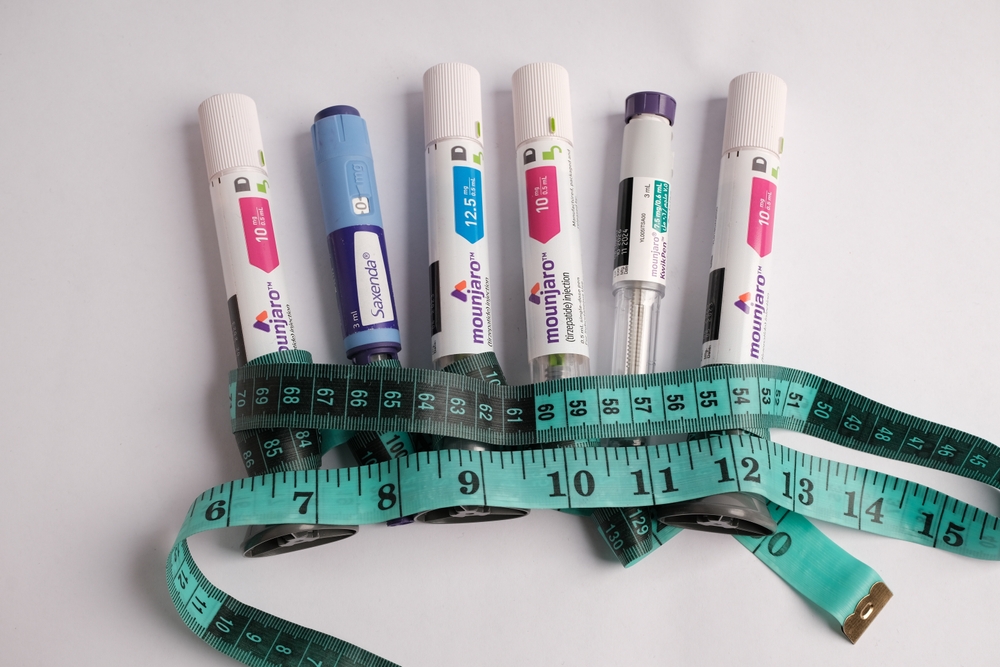
    People taking GLP-1 medications for type 2 diabetes (liraglutide, semaglutide, or tirzepatide) may be more likely to stop and later restart treatment than many people realize, according to research presented at ENDO 2026, the Endocrine Society’s annual meeting in Chicago, Ill.

    The study examined two questions that have received limited attention so far.

    “Our study asked two questions that haven’t been well answered until now: How many people with type 2 diabetes taking GLP-1 medications actually stop using them? And how many restart them?” said Sainikhil Sontha, M.S., a research associate at Boston University School of Public Health in Boston, Mass.

    GLP-1 Discontinuation Rates in Type 2 Diabetes

    “Using insurance records from more than 60,000 Americans with type 2 diabetes, we found that about 4 in 10 patients stopped their GLP-1 medication within the first year, and nearly 6 in 10 had stopped by the end of two years,” Sontha said.

    The researchers also uncovered a more encouraging trend.

    “More than half of those who stopped restarted therapy within a year (41.5%), and nearly two-thirds did so within two years (58%),” Sontha said. “This suggests that for many patients, these medications aren’t being abandoned permanently; use is more start-and-stop than most people assumed.”

    To better understand what influences treatment patterns, the researchers used Cox proportional hazards models and examined sociodemographic, clinical and provider-level factors.

    Who Is More Likely To Stop GLP-1 Medications?

    According to the findings, people covered by Medicaid or Medicare, Black patients, and those who experienced nausea or other gastrointestinal side effects (37%) were more likely to discontinue a GLP-1 medication within the first year.

    The study also found that patients whose first GLP-1 prescription came from an endocrinologist were 10% less likely to stop treatment.

    Newer GLP-1 Drugs Linked to Better Persistence

    Medication type also appeared to make a difference.

    People taking newer GLP-1 drugs such as tirzepatide were 41% less likely to discontinue treatment than those using older medications such as liraglutide. Users of semaglutide were 28% less likely to discontinue anti-obesity medication use compared with people taking older drugs.

    Why Staying on GLP-1 Therapy Matters

    “This research matters because consistent use of these medications is what produces their protective effects,” Sontha said. “Stopping early may mean missed opportunities to prevent heart attacks, kidney disease progression and other complications.”

    Researchers say the results may help healthcare providers, insurers and policymakers identify patients who could benefit from additional support to remain on GLP-1 therapy over time, Sontha said.

    Story Source: The Endocrine Society

  • Secretary Kennedy Announces Historic Development in Nutrition Accreditation Standards

    WASHINGTON — June 8, 2026 — The U.S. Department of Health and Human Services (HHS) and the U.S. Department of Education today hosted eight of the nation’s leading accreditors, assessors, and medical organizations to announce a historic development to increase nutrition requirements at every level of U.S. medical education, competency-evaluation, training, and residency. Additionally, 19 medical schools across the country have signed the Trump administration’s Nutrition Education Pledge, vowing to incorporate 40 hours of nutritional education or its competency equivalent into graduation requirements starting this fall.

    “Poor diets are the primary driver of America’s chronic disease epidemic, and today’s announcement reflects the shifting landscape toward placing nutrition and prevention at the core of patient health,” said Secretary Robert F. Kennedy, Jr. “Still, more work remains, and I look forward to seeing nutrition play an increased role as the latest science, data, and best practices develop.”

    Last August, HHS and the Department of Education sent a letter to medical organizations encouraging them to improve their standards and place nutrition at the core of their programs.

    “Making America Healthy Again begins with education, and we are encouraged to see accreditors and institutions of higher education working together to better prepare current and future physicians for success,” said Under Secretary of Education Nicholas Kent. “This commitment to strengthening nutrition education reflects the Trump Administration’s efforts to reform higher education and focus on what matters most: ensuring every student has access to a high-quality education and the knowledge needed to improve our communities.”

    The U.S. is in a chronic disease crisis. Despite spending $4.4 trillion annually on treating chronic disease and mental health, an estimated one million Americans die from food-related chronic illnesses each year. To reverse the chronic disease epidemic, the practice of medicine must continue to improve with the emerging science that nutrition is a key driver of better health outcomes.

    A 2022 survey published in the Journal of Wellness found that medical students reported receiving an average of just 1.2 hours of formal nutrition education each year. Until recently, three-fourths of U.S. medical schools did not require clinical nutrition courses, and only 14% of residency programs require a nutrition curriculum.

    Today, HHS recognized eight prominent medical accrediting, assessment, and board organizations that have voluntarily committed to implementing reforms aimed at instilling measurable nutritional education across key medical training programs.

    Participating medical organizations include:

    1. The National Board of Medical Examiners (NBME)
    2. The National Board of Osteopathic Medical Examiners (NBOME)
    3. The Accreditation Council for Continuing Medical Education (ACCME)
    4. The Liaison Committee on Medical Education (LCME)
    5. The Commission on Osteopathic College Accreditation (COCA)
    6. The American Board of Medical Specialties (ABMS)
    7. The Accreditation Council for Graduate Medical Education (ACGME)
    8. The American Association of Colleges of Osteopathic Medicine (AACOM)

    The announcement took place at HHS headquarters with executive leaders from the newly committed accrediting bodies and representatives from participating medical institutions.

    Adding to the 54 schools announced earlier this year, today 19 new schools have voluntarily pledged to require at least 40 hours of nutrition education, or implement a 40-hour competency equivalent, for students starting in the fall of 2026. Those schools include:

    1. Alabama College of Osteopathic Medicine (ACOM)
    2. The Medical College of Georgia at Augusta University
    3. Cooper Medical School of Rowan University
    4. Florida Atlantic University Charles E. Schmidt College of Medicine
    5. Hofstra University Zucker School of Medicine
    6. Lewis Katz School of Medicine at Temple University
    7. Lincoln Memorial University, DeBusk College of Osteopathic Medicine (LMU-DCOM)
    8. Noorda College of Osteopathic Medicine
    9. Orlando College of Osteopathic Medicine
    10. Saint Louis University School of Medicine
    11. Texas A&M University School of Medicine
    12. University of Maryland School of Medicine
    13. University of Massachusetts Chan Medical School
    14. University of New England College of Osteopathic Medicine
    15. University of Tennessee Health Science Center College of Medicine
    16. University of Texas Medical Branch (UTMB)
    17. University of the Incarnate Word School of Osteopathic Medicine
    18. West Virginia School of Osteopathic Medicine
    19. Western University of Health Sciences College of Osteopathic Medicine of the Pacific Northwest (COMP-Northwest)

    Read more about HHS’ Advancing Nutrition Education initiative.

  • Vital Nutrients Debuts Vital Nutrients Kids, a Practitioner-Grade Supplement Line Developed by Parents

    Vital Nutrients Debuts Vital Nutrients Kids, a Practitioner-Grade Supplement Line Developed by Parents

    MIDDLETOWN, Conn., June 03, 2026 (GLOBE NEWSWIRE) — Vital Nutrients, a practitioner-founded nutritional supplement company, introduces Vital Nutrients Kids, a new line of supplements developed by parents to support nutrition and immune health in children ages 2–15. The line delivers practitioner-grade support in child-friendly formats, without added sugar or gummies, while maintaining clean ingredients and clinical integrity.

    “Even in well-intentioned households, maintaining a balanced diet for children can be challenging when preferences favor familiar, less nutrient-dense foods,” said Meagan Purdy, naturopathic doctor, brand manager and educator at Blueroot Health, parent company of Vital Nutrients. “We developed Vital Nutrients Kids to help bridge those gaps with child-friendly formats that support consistent daily nutrition without adding complexity to a parent’s routine.”

    Children’s nutritional intake can vary widely from day to day, making it difficult to consistently deliver key nutrients needed to support immune resilience, digestive health, and development. Vital Nutrients Kids is formulated to provide targeted nutritional support with clinician-developed supplements that are sugar-free, dental-safe, hypoallergenic, and vegan. Designed with both efficacy and usability in mind, the line offers formats and flavors that simplify adherence for families while meeting the standards healthcare practitioners expect.

    The Vital Nutrients Kids line is designed as a comprehensive system, with each supplement formulated to support specific pediatric needs, and includes:

    Mighty Multivitamin without Iron: A daily, sugar-free, melt-on-the-tongue multivitamin formulated with real fruits and vegetables, delivering the nutritional equivalent of six servings in just two tablets. Fills nutritional gaps with whole-food vitamins and child-appropriate doses, supporting energy, focus, immunity, and metabolism.

    Berry Brave Immune Powder: A clear, easy-to-mix immune drink with vitamins C and D, zinc, elderberry, and arabinogalactan, supporting fast-acting and long-term immune responses during high exposure risks or recovery periods.

    Iron Invincibles: A gentle, melt-on-the-tongue iron supplement designed to support energy, focus, and growth, without stomach upset, and appropriate for children as young as 2 through the tween and teen years, including menstruating adolescents.

    D3 Dynamo: A tiny, daily, melt-on-the-tongue vitamin D3 supplement that supports immune health, mood, and bone development throughout the year.

    Invincible Immune Probiotic: Chewable probiotic tablet that supports immune health, targeting ear, nose and throat, clinically studied to help reduce upper respiratory infections when taken daily.

    Tummy Troopers Probiotic: A shelf-stable daily chewable probiotic with multiple clinically studied probiotic strains that supports long-term digestion, gut health, and microbiome balance.

    “Supporting children’s health is about building routines that stick and creating confidence for parents and practitioners,” said Purdy. “Our goal with Vital Nutrients Kids is to give children a supplement routine they will enjoy while providing reliable support for immunity, digestion, and growth.”

    Vital Nutrients Kids helps families support their children’s health with science-backed vitamins and supplements. With targeted ingredients in formats that fit easily into daily routines, parents can feel confident they’re giving their children the nutrition they need to grow and stay healthy.* Learn more at: https://www.vitalnutrients.co/pages/kids-vitamins.

    *These statements have not been evaluated by the Food and Drug Administration. This product is not intended to diagnose, treat, cure, or prevent any disease.

    About Vital Nutrients®
    Vital Nutrients was founded in 2000, by healthcare practitioners on a mission to positively impact the health of both people and the planet. Based in Middletown, Conn., Vital Nutrients produces a diverse portfolio of premium quality, clinically relevant, clean-label formulas, trusted and recommended by healthcare practitioners and individuals worldwide. Known for its efficacy-first formulations and rigorous quality assurance, Vital Nutrients has built a long-standing reputation for excellence. Learn more at: https://www.vitalnutrients.co.

    About Blueroot Health®
    Blueroot Health is a consumer health company with a diverse portfolio of brands that fuel lasting happiness and health for people and the planet. The company’s industry-leading brands – including Vital Nutrients®Bariatric Fusion®, and Fairhaven Health® – offer a suite of clean, innovative, and clinically relevant nutritional supplements that work. The portfolio includes specialized solutions for women’s health, metabolic health and weight management, and a full range of clinically relevant, specialized formulas and single ingredients trusted by health care practitioners, patients and consumers worldwide. Blueroot Health is committed to making a lasting, positive impact on the communities it serves, without leaving a negative footprint on the planet. Learn more at: https://blueroothealth.co.

  • New MenaQ7Ò K2 Cardiovascular Study Publishes

    New MenaQ7Ò K2 Cardiovascular Study Publishes

    JAMA Cardiology publishes a 2-year study confirming that Vitamin K2 as MK-7 supplementation produced nearly one-third less progression of coronary artery calcification, a recognized predictor of cardiovascular disease, compared with placebo.

    JAMA Cardiology, an international peer-reviewed journal considered the definitive resource for clinical investigators, clinicians, and trainees in cardiovascular medicine worldwide, has published a new 2-year, randomized, placebo-controlled trial in patients with coronary artery disease (CAD) using imaging-based endpoints. The trial [1], “Two Years of Menaquinone-7 Supplementation and Coronary Artery Calcification: A Randomized Clinical Trial”, shows the protective effect of Vitamin K2 as menaquinone-7 (MK-7) supplementation on holding the progression of coronary artery calcification and reducing new calcium buildup in previously non-calcified coronary plaques (of symptomatic patients with coronary artery calcification).

    The study, which used MenaQ7® K2 as MK-7, is significant because it adds to the substantial body of evidence demonstrating the cardiovascular benefits of MK-7, providing further understanding of the mechanism by which it inhibits calcification in cardiovascular muscle.

    Understanding CAC and Its Impact

    Coronary artery calcification (CAC) indicates hardened plaque buildup in the heart’s arteries, making them stiffer and less able to expand and contract, and certain calcification patterns may also be associated with plaque vulnerability and the risk of rupture. CAC acts as a major indicator of atherosclerosis and a significant risk factor for cardiovascular issues. Severe cases, often measured by high CAC scores, indicate advanced coronary artery disease.

    According to the authors of the trial, ”arterial calcification results from an imbalance in calcification regulatory mechanisms. An important inhibitor of calcification is vitamin K-dependent matrix Gla protein (MGP).

    “Both preclinical and clinical studies have shown that inhibition of the vitamin K-cycle by vitamin K antagonists (VKA) results in elevated uncarboxylated MGP (ucMGP) and in extensive arterial calcification,” says Leon Schurgers, professor of biochemistry of vascular calcification, and chair of the Department of Biochemistry at the Cardiovascular Research Institute  Maastricht (CARIM), Maastricht University (The Netherlands), and one of the lead researchers on the study. He showed, in clinical studies in which MenaQ7® was the source material, that K2 as MK-7 supplementation improves vitamin K–dependent MGP activation [2] and supports arterial elasticity. [3,4] Additionally, clinical study findings also showed that K2 as MK-7 may also contribute to support improvements in blood pressure [5] in selected populations and to a slower progression rate of coronary artery calcification.

    “This led us to hypothesize that supplementation with MK-7 can slow down the progression of CAC,” says Prof. Schurgers.

    Indeed, the Council for Responsible Nutrition estimated that vitamin K2 use could reduce coronary artery disease events by 15.7% and save the US healthcare system $9.48B (2022–2030). [6]

    Study Design & Results

    The trial, which analyzed the effects of MK-7 supplementation on CAC progression, was a double-blind, randomized, placebo-controlled study that included 180 patients (men and women) with CAD. Patients with a baseline Agatston CAC-score between 50 and 400 were randomized to an intervention group (360 micrograms of MK-7) or a placebo group. The treatment duration was 24 months.

    Of the 180 participants, 78% of participants were on statin therapy, and 67-74% were smokers. Both categories are critical in interpreting CAC outcomes as statins are known to stabilize plaques, promote calcification, and raise CAC scores. [7] At the same time, active and past smokers are at risk of increased CAC progression, as compared to those who have never smoked. [8]

    The study showed that a 2-year period of supplementation with MK-7 has the potential to attenuate established CAC and reduce new CAC, as measured by approximately a 29% lower progression in the Agatston score, in people with mild coronary disease. The MK-7 group showed nearly one-third less progression compared with placebo. Additionally, a similar trend was observed for calcium mass, a better marker of the calcification process than calcium volume. The MK-7 group showed approximately 42% less progression in calcium mass versus placebo. The authors concluded: ”As both the Agatston and the calcium mass score pointed in the same direction, we are confident that MK-7 can slow down coronary calcification.”

    Moreover, MK-7 improved extrahepatic vitamin K status, lowering dp-ucMGP while increasing blood MK-7 levels, supporting a positive effect on this calcification biomarker.

    New Opportunities for Approaching Heart Health

    The study highlights MenaQ7®’s potential to change proactive heart health care. CAC scoring is very important as it reflects the “vascular age” [9] of the coronary arteries by measuring calcified plaque, making it a useful tool for assessing cardiovascular risk, notes Hogne Vik, MD, PhD, MBA, medical and scientific advisor at Gnosis by Lesaffre and member of the company’s Vitamin K2 Scientific Advisory Committee.

    “Even still, the findings are remarkable as we currently do not have any effective treatments to address the issue of vascular calcification,” says Dr. Vik, adding that a growing body of research highlights the importance of vitamin K in activating Matrix Gla Protein (MGP), a strong inhibitor of vascular and soft-tissue calcification. “This scientific rationale has helped drive continued expert interest in MK-7, including clinical studies in patients with advanced CAC.”

    Gnosis cannot help but share excitement over these results.

    “Almost two decades of clinical research on MenaQ7 has demonstrated its significant cardiovascular benefits, including maintaining arterial elasticity, supporting normative blood pressure, and now supporting healthy calcium balance in coronary arteries,” says Kimmo Makinen, Gnosis Head of Scientific Affairs. “Our vitamin K2 ingredient is supported by multiple clinical trials that have demonstrated its safety and biological effect across various health areas, with this landmark trial being the latest. We are proud to provide the most substantiated vitamin K2 product on the market.”

    ###

    References:

    1 Vossen LM, de Leeuw PW, Schurgers LJ, et al. Two Years of Menaquinone-7 Supplementation and Coronary Artery Calcification: A Randomized Clinical Trial. JAMA Cardiol. Published online June 10, 2026.

    2 Theuwissen E, Cranenburg EC, Knapen MH, Magdeleyns EJ, Teunissen KJ, Schurgers LJ, Smit E, Vermeer C. Low-dose menaquinone-7 supplementation improved extra-hepatic vitamin K status, but had no effect on thrombin generation in healthy subjects. Br J Nutr.

    3 Knapen MH, Braam LA, Drummen NE, Bekers O, Hoeks AP, Vermeer C. Menaquinone-7 supplementation improves arterial stiffness in healthy postmenopausal women. A double-blind randomised clinical trial. Thromb Haemost. 2015 May;113(5):1135-44.

    4 Vermeer C, Vik H. Effect of menaquinone-7 (vitamin K2) on vascular elasticity in healthy subjects: results from a one-year study. Vascular Disease and Therapeutics. 2017;2:1000179.

    5 de Vries, F.; Bittner, R.; Maresz, K.; Machuron, F.; Gåserød, O.; Jeanne, J.-F.; Schurgers, L.J. Effects of One-Year Menaquinone-7 Supplementation on Vascular Stiffness and Blood Pressure in Post-Menopausal Women. Nutrients 2025, 17, 815.

    6 https://www.crnusa.org/sites/default/files/HCCS/00-CRN-Supplements-to-Savings-2022-FullReport.pdf

    7 Henein MY, et al. High dose and long-term statin therapy accelerate coronary artery calcification. International Journal of Cardiology, 2015;184:581–586.

    8 Rasmussen et al et al. Development and Progression of Coronary Artery Calcification in Long-Term Smokers: Adverse Effects of Continued Smoking. JACC. 2013 Jul, 62 (3) 255–257.

    9 McClelland RL, et al. Arterial age as a function of coronary artery calcium (from the Multi-Ethnic Study of Atherosclerosis [MESA]). Am J Cardiol. 2009 Jan 1;103(1):59-63.

    About Gnosis by Lesaffre 

    By using the power of microorganisms and biotransformation processes, Gnosis by Lesaffre cultivates unique active ingredients through fermentation, as well as probiotics and nutritional, functional yeasts that benefit human health, longevity, and well-being. Our high-quality solutions are meticulously studied, replicable, and reliable as we scale our collaboration with nutraceutical and pharmaceutical brands to develop revolutionary products that help customers thrive.

    Gnosis by Lesaffre – Think like Nature to raise the standard of human health. http://www.GnosisByLesaffre.com

  • Large UK Biobank Study Finds Higher Linoleic Acid Levels Linked to Lower Body Fat, Challenging Omega-6 Misconceptions

    Large UK Biobank Study Finds Higher Linoleic Acid Levels Linked to Lower Body Fat, Challenging Omega-6 Misconceptions

    A new large-scale study published by researchers affiliated with the Fatty Acid Research Institute (FARI) and OmegaQuant Analytics provides compelling evidence that higher levels of linoleic acid (LA)—the most abundant omega-6 fatty acid in the diet—are associated with lower body weight, smaller waist circumference, and reduced body fat.

    Published in the British Journal of Nutrition, the study analyzed data from more than 272,000 participants in the UK Biobank, and is among the largest to date to examine the relationship between omega-6 fatty acids and adiposity using objective blood biomarkers.

    The study, “Omega-6 Polyunsaturated Fatty Acids and Adiposity in the UK Biobank Cohort,” evaluated both cross-sectional and longitudinal associations between circulating omega-6 fatty acids and measures of adiposity, including weight, waist circumference, and whole-body fat mass.

    Across both cross-sectional and longitudinal analyses, individuals with higher circulating LA levels consistently demonstrated more favorable body composition, including lower weight and fat mass over time. For example, in the cross-sectional analysis, participants in the highest quintile of LA weighed on average approximately 26 pounds less than participants in the lowest quintile. In contrast, other non-LA omega-6 fatty acids showed small associations in the opposite direction—highlighting the importance of distinguishing between different types of omega-6s rather than treating them as a single category.

    “These findings are important because they directly challenge the narrative that omega-6 fats—especially those found in seed oils—are driving obesity,” said William S. Harris, PhD, founder of OmegaQuant, President of FARI, and co-author on the study. “When you actually measure what’s in the blood, higher levels of linoleic acid are linked to better, not worse, body composition.”

    The results add to a growing body of evidence supporting the role of LA-rich foods—such as vegetable oils, nuts, and seeds—as part of a healthy diet. They also reinforce the value of using biomarker-based assessments rather than dietary recall to better understand how nutrients impact health outcomes.

    “Not all omega-6 fatty acids behave the same way in the body,” Dr. Harris added. “This study shows why it’s critical to move beyond oversimplified messaging and focus on the specific fatty acids that are actually associated with positive health outcomes, like LA.”

    As obesity rates continue to rise globally, the findings provide important new insight into how dietary fats influence body composition—and underscore the need for more nuanced, evidence-based nutrition guidance.

    <END>

    Study Link:

    Omega-6 polyunsaturated fatty acids and adiposity in the UK Biobank Cohort: a cross-sectional and longitudinal prospective analysis; 6 May 2026, Harris et al

    Disclaimer:

    This publication from FARI was partially funded by Soy Nutrition Institute Global, with support from the United Soybean Board, neither of which had any input into the study design, data analysis or interpretation.

    About OmegaQuant:

    OmegaQuant is an independent, CLIA-certified lab that offers nutritional status testing to researchers, clinicians and the public. OmegaQuant performs analysis in Sioux Falls, SD, for commercial and academic research collaborators, and for consumers interested in monitoring their nutritional status in both blood and breast milk. Its goal is to offer the highest quality fatty acid analytical services to researchers and to provide simple tests of nutritional status to consumers, with the ultimate purpose of advancing the science and use of certain nutrients to improve health. Internationally, OmegaQuant works with the University of Stirling, based in the Scotland, to help process blood samples from Europe. Learn more @ www.omegaquant.com

    About the Fatty Acid Research Institute (FARI):

    FARI was established in 2020 as a non-profit foundation that brings together nutrition scientists and biostatistical experts with strong publication records and expertise in fatty acids to accelerate discovery of the relationship between fatty acids, especially omega-3s, and health. FARI is currently the only organization focused directly on discovering and publishing research evaluating the health effects of individual fatty acids. Learn more @ www.faresinst.org

  • CBD may slow Alzheimer’s by calming the brain’s immune system

    CBD may slow Alzheimer’s by calming the brain’s immune system

    Cannabidiol, better known as CBD, is gaining attention from scientists studying Alzheimer’s disease. New research suggests the cannabis-derived compound may help reduce harmful inflammation in the brain, a process increasingly believed to play a major role in Alzheimer’s progression.

    Alzheimer’s disease is the most common form of dementia, a condition that gradually damages memory, thinking, and behavior. For years, most Alzheimer’s research has focused on the buildup of amyloid plaques and tau tangles in the brain. These abnormal protein clumps are considered hallmark signs of the disease. However, many researchers now believe chronic inflammation in the brain may also be a key factor driving nerve cell damage.

    CBD and Brain Inflammation

    Inflammation is part of the body’s natural immune response. In the brain, immune cells normally help protect neurons and clear away harmful debris. But when inflammation becomes chronic, it can begin damaging healthy brain tissue instead. This ongoing immune overactivation, often called neuroinflammation, has been linked to Alzheimer’s disease and several other neurological disorders.

    In a new study published in eNeuro, researchers led by Babak Baban from Augusta University investigated whether CBD could help calm this damaging inflammatory response in the brain.

    The team used a well-established mouse model of Alzheimer’s disease and delivered CBD through inhalation. They then examined how the compound affected immune activity and inflammatory signaling in the central nervous system, which includes the brain and spinal cord.

    Researchers Identify Changes in Key Immune Pathways

    Using a variety of molecular and genetic tests, the scientists found that CBD lowered the activity of several important regulators involved in neuroinflammation. The treatment was also associated with reduced levels of proinflammatory molecules, which are substances that can worsen inflammation and contribute to tissue damage.

    The researchers also identified specific immune-related pathways that appeared to interact with CBD. These findings suggest the compound may influence multiple biological systems involved in Alzheimer’s disease.

    “Alzheimer’s work has long centered on plaques and tangles,” says Baban. “But our study shows that chronic autoinflammation is also a core driver of the disease. What’s exciting is that CBD not only calms this immune overactivation but, in earlier work, we’ve shown it can also help clear plaques and tangles through a different mechanism. Together, this points to a multitarget approach with real therapeutic potential.”

    A Growing Interest in Multi-Target Alzheimer’s Treatments

    Scientists have increasingly explored treatments that target more than one aspect of Alzheimer’s disease at the same time. Because the condition involves many overlapping biological changes, including inflammation, protein buildup, and neuron damage, researchers believe a multitarget strategy may prove more effective than focusing on a single pathway alone.

    Although the findings are promising, the study was conducted in mice, not humans. More research and clinical trials will be needed before scientists know whether CBD could become a safe and effective treatment for people with Alzheimer’s disease.

    Still, the results add to growing evidence that controlling brain inflammation may become an important part of future Alzheimer’s therapies.

    Story Source: Society for Neuroscience.

  • Single dose of psilocybin provided rapid relief from depression in new study

    Single dose of psilocybin provided rapid relief from depression in new study

    A single dose of the psychedelic substance psilocybin can provide rapid relief from depressive symptoms – within just a few days. This is shown by the first randomized, double-blind study in Sweden of psilocybin for depression. The effect persisted for over three months, according to researchers at Karolinska Institutet.

    Depression is a public health problem that causes great suffering. SSRI drugs are the most common treatment, but many patients do not benefit from them. Their effect can also take several weeks to kick in and side effects are common.

    Psilocybin, found in so-called magic mushrooms, has shown antidepressant effects in previous studies. However, most studies have focused on cancer-related or treatment-resistant depression. In the current phase 2 study, published in JAMA Network Open, the researchers investigated whether psilocybin can also alleviate common depression.

    A total of 35 people aged 20 to 65 with moderate to severe recurrent depression took part. Participants were randomly assigned to receive either a single dose of 25 mg of psilocybin or an active placebo in the form of niacin, a vitamin that causes a noticeable physical reaction.

    Both groups received psychotherapeutic support on five occasions: before, during and after treatment. On the day of dosing, participants were asked to lie down and focus inwardly whilst wearing an eye mask and listening to music via headphones.

    The effect of the treatment was measured using the MADRS (Montgomery–Åsberg Depression Rating Scale). The measurements were taken by doctors who were blinded to the treatment on days 8, 15, 42 and 365 following dosing.

    To be included in the study, participants were required to have a total score of at least 22 points. The primary outcome of the study was the change in depressive symptoms eight days after treatment. At this point, the MADRS score had decreased by an average of 9.7 points in the psilocybin group, compared with 2.4 points in the placebo group. This represents a group difference of 7.3 points in favor of psilocybin. The difference was statistically significant and is considered clinically meaningful. The effect persisted even after 15 and 42 days.

    Participants also completed a self-report version of the MADRS. Their own assessments showed an antidepressant effect as early as day two, which persisted for just over three months compared to the placebo group.

    After six weeks, 53 per cent of participants in the psilocybin group were in remission, compared with six per cent in the placebo group. After one year, the same proportion of the psilocybin group remained in remission, but by then no confirmed difference between the groups was observed, as many of those who had received the placebo had also recovered.

    ”Our results suggest that psilocybin can provide rapid, clinically meaningful improvement in depression and may serve as an alternative to standard treatment when fast symptom reduction is important.”, says the study’s lead author Hampus Yngwe, consultant psychiatrist and PhD student at the Department of Clinical Neuroscience, Karolinska Institutet. He continues:

    ”However, the long-term effects are uncertain. Repeated treatments may be needed to prevent relapse. This needs to be investigated in larger studies.”

    The treatment was generally well tolerated. Most side effects were mild or moderate and transient. However, two participants who received psilocybin reported severe and persistent anxiety that required medical attention.

    “It is important to emphasise that the treatment is not risk-free and that some patients may need extra support,” says Johan Lundberg, professor at the Department of Clinical Neuroscience and the Centre for Psychiatry Research, Karolinska Institutet, who led the study.

    Research into psychedelic treatments faces methodological challenges because the substances produce strong and easily recognisable experiences. If participants and researchers can tell whether psilocybin or placebo was given, it becomes harder to separate the effect of the treatment from that of expectations. In the current study, almost all participants were able to guess which treatment they had received, which may have influenced the outcomes, the researchers suggest.

    “We want to understand how factors such as treatment expectations and lack of blinding affect the results, as previous studies may have exaggerated the treatment effects,” says Hampus Yngwe.

    The next step in the research is to analyse data from the PET scans, as well as blood and cerebrospinal fluid samples collected before and after dosing.

    ”Research suggests that the interaction between parts of the brain is impaired in depression and that this may be linked to changes in the connections between nerve cells, known as synapses. In preclinical studies, psychedelics have been shown to stimulate synaptic growth. We therefore want to investigate whether psilocybin alters synaptic density in the brain”, concludes Hampus Yngwe.

    The study was conducted in collaboration between Karolinska Institutet and the Brain Stimulation Clinic within Northern Stockholm Psychiatry, Stockholm Region. The research was funded by Norrsken Mind and the Swedish Research Council. Johan Lundberg declares a personal honorarium from Janssen-Cilag.

    Publication: “Acute and Late Effects of Psilocybin on Symptoms in Major Depression: a randomised clinical trial”, Hampus Yngwe, Pontus Plavén-Sigray, Carl Johan Ekman, Eva Henje, Anders Berglund, Mikael Tiger, Maria Beckman, Johan Lundberg, JAMA Network Open, online May 15, 2026, doi: 10.1001/jamanetworkopen.2026.12589

    Facts about the MADRS:

    The MADRS (Montgomery–Åsberg Depression Rating Scale) is used to assess the severity of depressive symptoms. The scale ranges from 0 to 60 points, with higher scores indicating more severe depression:

    0–12 points: no depression or very mild depression

    13–19 points: mild depression

    20–34 points: moderate depression

    35–60 points: severe depression