
Author: Dick Benson

  • Ministry Of Ayush Partners With IndiaAI to Boost AI-Driven Innovation In Traditional Medicine

    Ministry Of Ayush Partners With IndiaAI to Boost AI-Driven Innovation In Traditional Medicine

    The Ministry of Ayush has signed a memorandum of understanding with IndiaAI, the Ministry of Electronics and Information Technology, to accelerate AI‑driven innovation in the Ayush sector, strengthen research, digital health and capacity building, an official statement has reported.

    Ministry of Ayush connects with AIKosh platform

    Further, the Ministry of Ayush will onboard the AIKosh platform for sharing eligible health research artefacts, including datasets, metadata, AI models, toolkits and relevant use cases.

    This integration is expected to facilitate greater collaboration, innovation and responsible development of AI solutions for the Ayush sector, the statement said.

    Kavita Jain, Joint Secretary & Chief Vigilance Officer, Ministry of Ayush underscored that the integration of Artificial Intelligence with Ayush will open new avenues for evidence-based research, knowledge management and innovation.

    She added that the collaboration with IndiaAI will help leverage advanced AI capabilities across areas such as research, medicinal plants, drug administration and capacity building, making the Ayush ecosystem more technology-driven and future-ready.

    Sudeep Srivastava, Joint Secretary, Ministry of Electronics and Information Technology (MeitY), highlighted the importance of integrating modern technology with India’s traditional knowledge systems.

    He said that the partnership will enrich AIKosh with traditional healthcare datasets and will empower researchers and practitioners of traditional medicinal sciences through AI-enabled innovation.

    Naman Goyal, OSD, Ayush Grid, noted that under its Emerging Technologies component, Ayush Grid is developing AI-driven platforms to accelerate the digital transformation of the Ayush sector.

    The collaboration marks an important step towards building a technology-enabled Ayush ecosystem by bringing together the strengths of traditional knowledge and modern AI capabilities, the statement noted.

    The partnership will focus on accelerating the adoption and application of AI across key Ayush domains, including research, capacity building, medicinal plants and drug administration.

    The MoU will help access to GPU-based and high-performance computing infrastructure through the IndiaAI initiative at subsidised rates, subject to defined service-level agreements.

    Access to advanced computing infrastructure is expected to help address critical infrastructure requirements and support the scaling of sophisticated AI research and applications in healthcare and traditional medicine.

  • Vadma Institute Expands Global Practitioner Certification Program

    Vadma Institute Expands Global Practitioner Certification Program

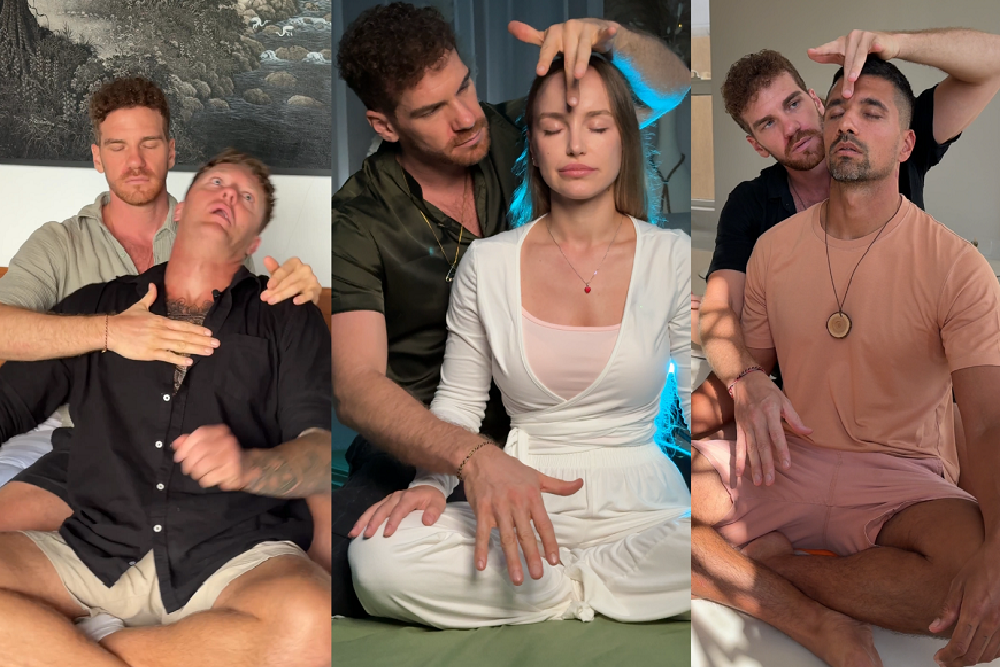
    The Vadma Institute announced the global expansion of its practitioner certification program, offering new opportunities for wellness professionals to train in the Vadma neuro somatic method as international interest in nervous system regulation and integrative wellness continues to grow.

    The modern Vadma practitioner protocols are taught by Kevin Libawski, who leads Vadma Institute’s global education and certification programs. The Vadma method is a structured neuro-somatic wellness approach that combines bodywork, breath practices, and integrative techniques into a standardized practitioner protocol. As certification programs expand across multiple regions worldwide, the Institute aims to make professional training more accessible while maintaining consistent educational standards, ongoing mentorship, and practitioner support.

    “Our vision has always been to make high-quality Vadma practitioner training available to more communities around the world,” said Kevin Libawski, head of Vadma Institute. “As interest in nervous system regulation continues to grow, we remain committed to practitioner education, responsible development of the method, and continued observation of its outcomes.”

    Alongside its international expansion, Vadma Institute has initiated preliminary observational research using electrocardiogram (ECG)-based heart rate variability (HRV) measurements to better understand physiological changes associated with Vadma sessions. Early observations have identified patterns consistent with reduced sympathetic (“fight-or-flight”) activity and increased parasympathetic (“rest-and-digest”) activity, including measurable changes in heart rate and HRV markers following sessions. According to the Institute, these observations are preliminary, based on a limited number of participants, and are intended to guide future research rather than establish clinical conclusions.

    Dr. Jen Draper, a physician with nearly 30 years of clinical experience and author of UNPATIENT, completed Vadma practitioner training and believes the method represents a thoughtful integration of traditional wellness concepts with modern clinical awareness.

    “Many people who experience Vadma describe profound relaxation, emotional release, improved sleep, greater clarity, and an increased sense of well-being,” said Dr. Draper. “For me, Vadma represents a meeting place between ancient wisdom and modern clinical responsibility.”

    Engineer and Quantum Quip founder Mariana Fresnedo also shared her perspective after experiencing a Vadma treatment.

    “If you know me, you know I’m naturally skeptical of new methodologies,” Fresnedo said. “My experience challenged many of my expectations and encouraged me to explore the method with an open mind.”

    The Institute emphasizes that Vadma is intended as a wellness practice and is not a substitute for professional medical diagnosis, treatment, or mental health care. Individuals considering any wellness program should consult qualified healthcare professionals regarding their personal health needs.

    As the global certification program expands, Vadma Institute also encourages prospective participants to seek training through certified Vadma practitioners. Information about the practitioner certification program, the Vadma neuro somatic method, and educational resources is available at vadma.org. Additional participant testimonials and practitioner experiences can be found at vadmareviews.com.

    About Vadma Institute

    Vadma Institute provides education and practitioner certification for the Vadma neuro somatic method, a structured wellness approach designed to support nervous system regulation through standardized practitioner training. The Institute offers certification programs, continuing mentorship, and educational resources for wellness professionals while supporting ongoing observational research to further understand the method’s physiological effects.

  • Dreams aren’t random. The brain is rewriting reality.

    Dreams aren’t random. The brain is rewriting reality.

    Why do some dreams feel so vivid that they seem almost real, while others unfold as confusing fragments that are difficult to remember or understand? New research suggests the answer may depend on a combination of personality, sleep quality, mental habits, and major events unfolding in the outside world.

    A study led by researchers at the IMT School for Advanced Studies Lucca found that dreams are not simply random collections of images and thoughts. Instead, they appear to be shaped by both individual differences and shared experiences, including major social disruptions such as the COVID-19 pandemic.

    Thousands of Dream Reports Reveal Hidden Patterns

    The research, published in Communications Psychology, examined more than 3,700 descriptions of dreams and waking experiences from 287 people between the ages of 18 and 70.

    For two weeks, participants recorded their dreams and daily experiences. The researchers also collected information about each person’s sleeping habits, personality, cognitive abilities, and psychological characteristics.

    This broad set of information allowed the team to compare what people experienced while awake with the stories, settings, and emotions that appeared in their dreams.

    How AI Helped Scientists Study Dreams

    To analyze such a large number of written reports, the researchers used natural language processing (NLP), a form of artificial intelligence that examines patterns, relationships, and meaning in language.

    Rather than relying only on researchers to read and interpret every dream individually, the technology allowed the team to measure the semantic structure of the reports. Semantic structure refers to how ideas, words, and concepts are connected within a piece of language.

    The results showed that dream content was neither completely random nor inherently chaotic. Instead, dreams reflected a complex mixture of personal characteristics, including a tendency to mind-wander, an interest in dreams, and the quality of a person’s sleep. Events occurring in the broader world also influenced what people dreamed about.

    Dreams Do Not Simply Replay the Day

    When the researchers compared participants’ descriptions of waking life with their dream reports, they found that the brain did not appear to reproduce daily experiences exactly as they happened.

    Instead, familiar details were transformed.

    A workplace, hospital, classroom, or other everyday setting might appear in a dream, but it would often be combined with unrelated places, shifting viewpoints, or unfamiliar surroundings. Different parts of a person’s life could merge into a single vivid scene.

    These findings suggest that dreaming is not a simple replay system. The sleeping mind appears to reorganize pieces of reality, combining memories with imagination, expectations, and possible future experiences.

    The result can be a completely new scenario that feels immersive, emotionally intense, or surreal.

    Personality May Influence Dream Vividness

    The way dreams were transformed also differed from person to person.

    People who were more likely to experience mind-wandering while awake tended to report dreams that changed quickly and felt more fragmented. Their dreams often moved rapidly between scenes, ideas, or perspectives.

    By contrast, participants who placed greater value on dreams and believed that dreaming had personal meaning tended to describe richer and more immersive experiences. Their dream reports contained stronger perceptual detail, making the scenes feel more vivid and lifelike.

    The findings do not necessarily show that believing in dreams directly causes more vivid dreaming. However, they reveal a strong relationship between how people think about dreams and how they experience or remember them.

    The Pandemic Left a Mark on Dreams

    The researchers also examined dream reports collected during the COVID-19 lockdown by scientists at Sapienza University of Rome. They compared those reports with data gathered in later months and years by the IMT School team.

    During the lockdown, dreams contained stronger emotions and more references to restrictions, barriers, confinement, and other limitations. These themes reflected the conditions people were experiencing in daily life.

    As the months passed, those patterns became less pronounced. This gradual change suggests that dreams may evolve alongside psychological adjustment, particularly as people adapt to stressful or disruptive events.

    In other words, dreams may provide clues about how the mind responds to major changes over time.

  • SuperAging Is Not Simply the Opposite of Alzheimer’s Disease

    SuperAging Is Not Simply the Opposite of Alzheimer’s Disease

    Many people assume that some memory decline is an inevitable consequence of getting older. But a select group of older adults, known as SuperAgers, reach their 80s and 90s while retaining memory performance as good as or better than people in their 50s and 60s.

    Nearly two decades of research has identified unique biological, brain, and psychosocial characteristics associated with SuperAgers, but an important question has remained: Could SuperAgers simply be people who inherited very little genetic risk for Alzheimer’s disease?

    “If that were true, identifying SuperAgers might be as simple as performing genetic testing rather than the comprehensive cognitive evaluations we currently use,” said Emily Rogalski, PhD, director of the Healthy Aging & Alzheimer’s Research Care (HAARC) Center at the University of Chicago, who established the definition of SuperAging in 2008 and has been studying this remarkable population ever since.

    A new study aimed to directly test that hypothesis using the largest prospectively enrolled SuperAging cohorts and the most up-to-date Alzheimer’s genetic risk measures available. The findings, published in Alzheimer’s Research & Therapy, show that exceptional memory aging cannot be explained simply by low inherited Alzheimer’s disease risk, reinforcing the importance of studying protective pathways directly.

    A team led by researchers at the HAARC Center and the Translational Genomics Research Institute (TGen), part of City of Hope, studied a diverse cohort from across five regional sites in the U.S. and Canada comprised of 142 SuperAgers and 89 cognitively average peers. Using DNA extracted from blood samples, the researchers examined the APOE gene, the strongest genetic risk factor for Alzheimer’s disease, and calculated three polygenic risk scores, which tally thousands of genetic variants associated with inherited Alzheimer’s disease risk.

    The results provided a clear answer to the central question: SuperAgers could not be distinguished from cognitively average older adults based on either APOE or Alzheimer’s polygenic risk scores. In other words, having exceptional memory in one’s 80s is not simply explained by having exceptionally low inherited Alzheimer’s disease risk.

    “The findings reinforce that preserving cognitive health involves more than reducing Alzheimer’s disease risk alone,” said co-first author Ana Capuano, PhD, director of the biostatistics core at the HAARC Center. “Understanding the biological, behavioral, and social factors that promote exceptional cognitive aging may ultimately complement traditional disease-focused approaches and help inform more personalized strategies for supporting brain health across the lifespan.”

    Even when examining rare genetic protective variants previously associated with resilience against Alzheimer’s disease, the researchers found no increased prevalence among SuperAgers.

    “This study establishes an important boundary for Alzheimer’s disease genetics,” said Matt Huentelman, PhD, professor and director in TGen’s Early Detection and Prevention Division and co-senior author with Rogalski. “Common genetic risk factors captured by APOE and current polygenic risk scores do not explain the SuperAging phenotype. Future work should move beyond disease-risk models and investigate the broader biological, environmental, and experiential pathways that contribute to exceptional cognitive aging.”

    This future work will entail a multidisciplinary approach that combines detailed cognitive assessments with brain imaging, blood biomarkers, genetics, neuropathology, immune profiling, sleep and activity monitoring, social and environmental measures, and other indicators of whole-person health.

    “For many years, aging research has focused on identifying factors that increase the risk of disease,” added co-first author Ignazio S. Piras, PhD, associate professor in TGen’s Early Detection and Prevention Division. “Those studies are critically important, but the absence of risk factors does not necessarily mean someone possesses the protective factors that support exceptional brain health. This study helps demonstrate that distinction.”

    Ultimately, the results reinforce a hopeful message: memory decline is not inevitable, and some people can — and do — maintain remarkably youthful memory well into their 80s and beyond. The search for how and why continues with the help of SuperAger research participants: extraordinary partners in discovery who have generously contributed their time over many years to help scientists understand what successful cognitive aging looks like and pointing toward new pathways to resilience.

    To learn more about SuperAging research, visit https://superagingresearch.com/

    This work was supported by the National Institute on Aging (U19AG073153), the McKnight Brain Research Foundation through the SuperAging Research Initiative, and the Simons Foundation, along with the many participants, families, and collaborating investigators across five research sites.

    SuperAging is not the inverse of common variant Alzheimer’s risk: evidence across genetic ancestries” was published in Alzheimer’s Research & Therapy in July 2026. Co-authors are Ignazio Stefano Piras, Ana Werneck Capuano, Amanda Cook Maher, Rhiana Schafer, Anna Bonfitto, Serena Song, Francis Taguinod, Felicia Goldstein, Angela Roberts, Ozioma Okonkwo, Adam Martersteck, The SuperAging Research Initiative, Matt J. Huentelman and Emily Rogalski.

  • Cognizin® Citicoline Shows Promise for Neuromuscular Health in New Preclinical Research

    Cognizin® Citicoline Shows Promise for Neuromuscular Health in New Preclinical Research

    New preclinical research on Cognizin® Citicoline from Kyowa Hakko investigates the branded ingredient’s potential to support the formation of the neuromuscular junction (NMJ) — the critical connection between motor neurons and skeletal muscle fibers that governs muscle activation and performance. The findings point to an entirely new dimension of Cognizin’s science and its role in the mind-body connection with compelling implications for sports nutrition and healthy aging formulations.

    Cognizin, which is backed by decades of extensive clinical studies, is now the subject of research in a new area: neuromuscular health. The NMJ is the specialized synapse through which motor neurons signal skeletal muscle to contract — and its integrity is central to muscle strength, coordination, and functional movement. Age-related deterioration of the NMJ is increasingly recognized as a key contributor to muscle weakness and decline in physical performance, making it a high-interest target for both sports nutrition and healthy aging applications.

    The study, conducted by researchers at the Institute of Health Sciences at Kirin Holdings Company, the parent company of Kyowa Hakko, used an established in vitro neuromuscular cell model to evaluate Cognizin’s effects on NMJ formation. Using gene expression analysis and immunofluorescence imaging, researchers assessed key markers involved in NMJ development, including acetylcholine receptor (AChR) clustering, a critical step in the formation of a functional NMJ.

    “Consumers and manufacturers alike are increasingly demanding more from cognitive health ingredients, expecting to see real science behind the claims,” said Karen Todd, vice president of global brand marketing, Kyowa Hakko USA. “Research like this is exactly why Cognizin continues to stand apart. Our ongoing investment in rigorous clinical and preclinical science gives formulators the validated evidence they need to build products consumers can trust — and it opens doors to exciting new application areas we’re only beginning to explore. Awareness of the mind-body connection has grown rapidly in recent years, and these results further highlight its importance — and Cognizin’s role in it.”

    The full findings will be presented as a poster by lead author Chihiro Ono of Kirin Holdings during the Sports/Performance Nutrition Poster Session at the American Society for Nutrition’s conference in July. The session will be held July 27, 2026, from 9:30 to 10:30 a.m. in the Prince George’s Exhibition Hall (Lower Atrium Level) at the Gaylord National Resort and Convention Center in National Harbor, Maryland. The poster title is “Citicoline May Strengthen Formation of Neuromuscular Junction by Enhancing Acetylcholine Receptor Clustering in Co-Culture With Neurons and Skeletal Muscle Cells.”

    This research represents the latest chapter in Kyowa Hakko’s commitment to advancing the science of Cognizin. For supplement and functional food and beverage manufacturers, it signals an emerging opportunity in sports nutrition and healthy aging formulations backed by a deepening body of evidence. More information about Cognizin is available at Cognizin.com and Kyowa-USA.com.

    About Kyowa Hakko USA (Kyowa)
    Kyowa Hakko USA serves as the North and South American headquarters for Kyowa Hakko Bio Co., Ltd., a global pioneer in specialty ingredients within Kirin Holdings’ Health Science group. Building on over 75 years of fermentation innovation and Kirin’s 100+ year legacy of fermentation excellence, Kyowa delivers premium, science-backed branded ingredients to the nutraceutical, pharmaceutical, functional food, beverage, and wellness industries. The portfolio features branded solutions like Cognizin® Citicoline, Setria® Glutathione, Pantesin® Pantethine, and EYEMUSE® Lacticaseibacillus paracasei KW3110. Committed to quality, sustainability, and creating shared value, Kyowa empowers partners to create transformative health solutions, advancing Kirin’s vision of improving health and well-being. For more information, visit Kyowa-USA.com.

    About Cognizin® Citicoline
    Cognizin® Citicoline, developed by Kyowa Hakko Bio Co., Ltd., is a clinically patented form of citicoline with over 35 years of research, development, and application experience. Backed by Kyowa’s 75-year legacy of biotech innovation and Kirin Holdings’ century-long fermentation expertise, Cognizin® is produced through state-of-the-art fermentation technology, ensuring superior purity and quality. Clinically tested to support mental energy, focus, attention, and memory, this premium functional ingredient is GRAS, pure, allergen-free, and highly stable. Trusted by global partners in the nutraceutical and wellness sectors, Cognizin® advances Kirin’s Health Science mission to enhance quality of life through cognitive health solutions. For more information, visit Cognizin.com.

  • Different GLP-1 therapies could be tailored to patients’ individual metabolic needs

    Different GLP-1 therapies could be tailored to patients’ individual metabolic needs

    Different varieties and doses of GLP-1 medications can have meaningful differences in how they address heart and metabolic health issues, according to new research led by the Perelman School of Medicine at the University of Pennsylvania. Through the analysis of data from 19 randomized controlled trials, the researchers believe their work points to possible precision medicine applications of GLP-1s beyond just weight loss. Their work was published in Diabetes, Obesity, and Metabolism.

    “We hope that clinicians are encouraged by this study to take a more comprehensive and individual approach to treatment selection,” said senior author Yong Chen, PhD, a professor of Biostatistics at Penn. “For patients, the key message is that there may not be a single ‘best’ GLP-1 therapy for everyone, and it all could really depend on what their individual goals and needs are.”

    A new measure showing individual differences

    Conducted by researchers from Pennsylvania, the Yale School of Medicine, and UT Southwestern Medical Center, the analysis pulled information from trials totaling 13,117 overweight participants and used a measure the researchers developed for assessing  heart and metabolic health called the Cardiometabolic Efficacy Index (CEI). Randing on a scale of 0 to 1—with values closer to 1 showing a greater treatment effect— the CEI factors in seven different data points: Body weight, waist circumference, HbA1c (blood sugar levels), systolic blood pressure, triglycerides, HDL cholesterol, and LDL cholesterol.

    The researchers saw that, across all therapies, the higher-dose GLP-1 receptor agonists generally demonstrated greater cardiometabolic improvements. Semaglutide injections at 7.2mg achieved the highest CEI (0.86), followed by orforglipron 36mg (0.68), and injected semaglutide at 2.4mg (0.66). All of them delivered placebo-adjusted weight reductions of at least 10 percent of the participants body weight, on average.

    But there were distinct differences across the therapies in individual datapoints in the CEI.

    Orforglipron showed stronger effects on blood sugar control, HDL cholesterol, and systolic blood pressure, while semaglutide showed larger effects on total body weight, waist circumference, and LDL cholesterol.

    Oral medications vs. injectables

    GLP-1 therapies taken orally performed competitively against injectable ones. In adults without type 2 diabetes, orforglipron 36mg demonstrated a comparable cardiometabolic profile to oral semaglutide 25mg (CEI 0.67 vs. 0.63). In adults with type 2 diabetes, orforglipron ranked second overall, behind injected semaglutide 7.2mg and ahead of semaglutide 2.4mg.

    “Oral options may expand access and offer more flexibility, which could play an important role in long-term treatment adherence and individualized care,” said Yu-Lun Liu, co-author of the study and Associate Professor of Biostatistics at UT Southwestern Medical Center.

    On top of these findings, a dose-response relationship was observed for both semaglutide and orforglipron, suggesting that higher doses may deliver broader cardiometabolic effects.

    Moving beyond weight loss

    The analysis provides timely evidence for a field increasingly focused on the full metabolic burden of obesity rather than weight reduction alone.

    “As obesity treatment becomes increasingly personalized, clinicians are often choosing among several highly effective therapies rather than deciding whether to treat at all,” said co-author Yuan Lu, Assistant Professor of Cardiology at Penn “Considering blood pressure, cholesterol, and glucose control together could be key to aligning with each patient’s overall, individualized cardiometabolic profile.”

    Three focal points for the future

    Chen identified a collection of priorities for the next phase of GLP-1 research and obesity care.

    First, he said obesity treatment should increasingly focus on improving overall health—not just reducing weight alone. As the field evolves, evaluating therapies across broader cardiometabolic health domains—as well as other body systems—will be critical to understanding the full benefit of GLP-1s.

    Second, Chen said the development of new multidimensional tools such as the Cardiometabolic Efficacy Index (CEI) may help move the field toward more personalized treatment selection.

    Third, he noted that oral GLP-1 therapies are emerging as strong and competitive options that could expand treatment choice. As more oral agents enter clinical practice, they may improve accessibility, adherence, and flexibility for patients, making individualized obesity care more achievable in real-world settings. These options should be observed and analyzed, the researchers said.

    ###

    About Penn Medicine: Penn Medicine is one of the world’s leading academic medical centers, dedicated to the related missions of medical education, biomedical research, excellence in patient care, and community service.

    The organization consists of the University of Pennsylvania Health System and Penn’s Raymond and Ruth Perelman School of Medicine, founded in 1765 as the nation’s first medical school.

  • America’s Peptide Boom Just Cleared a Major Regulatory Hurdle

    America’s Peptide Boom Just Cleared a Major Regulatory Hurdle

    A U.S. Food and Drug Administration (FDA) advisory panel has voted to ease restrictions on several controversial peptide drugs promoted online for anti-aging, muscle growth and healing despite limited evidence of their safety or effectiveness in humans, marking a key regulatory step toward allowing them to be prescribed through specialized pharmacies.

    America’s Peptide Boom Just Cleared a Major Regulatory Hurdle

    The panel narrowly recommended allowing compounding pharmacies to produce peptides including BPC-157, TB-500 and KPV. While the FDA is not required to adopt the recommendation, it often follows the advice of its advisory committees.

    The vote aligns with Health Secretary Robert F. Kennedy Jr.’s efforts to loosen restrictions on peptides after the Biden administration tightened oversight of the industry. Kennedy has previously described himself as a “big fan” of the compounds and pledged to ease limits on their use.

    Peptides are short chains of amino acids that occur naturally in the body and are used in approved medicines for conditions such as diabetes. In recent years, however, injectable peptides marketed for unproven uses have gained popularity through social media, particularly after the rise of GLP-1 weight-loss drugs. Influencers have promoted combinations, or “stacks,” claiming they improve recovery, skin health, muscle growth and slow aging, despite limited clinical evidence.

    Health experts have warned against their use, citing a lack of human clinical trials and uncertainty over long-term safety. Dr. Gevork Tatarian, a board-certified Florida cosmetic surgeon and co-owner of Elevé Cosmetic Surgery, says the FDA review could force physicians to adopt stricter standards around prescribing the compounds.

    “This review raises the bar on how peptides are sourced, prescribed, and monitored. It pushes practices to prioritize well-studied, compliant therapies instead of relying on grey-market or ‘experimental’ blends,” Tatarian told Impact Newswire.

    BPC-157, derived from a stomach protein, is marketed online as a treatment for gut health, tissue repair and inflammation and has been studied in animals for muscle healing. The U.S. Anti-Doping Agency says that because the compound has not been extensively studied in humans, “no-one knows if there is a safe dose, or if there is any way to use this compound safely to treat specific medical conditions.” The World Anti-Doping Agency prohibits its use in sport.

    KPV is similarly promoted online for gut health, tissue repair, including acne treatment, and immune regulation, although it is not approved for human use.

    Both compounds occupy a regulatory gray area. They can be bought online but have not been approved by the FDA for human use and are therefore not subject to the manufacturing standards required for approved pharmaceuticals.

    Tatarian said consumers often mistakenly assume peptides are inherently safe because some occur naturally in the body. “Some peptides act more like powerful biologic drugs and can influence hormones, immune function, and metabolism,” he said.

    He also warned patients against purchasing peptides from unregulated suppliers. “If a complication occurs, the patient may have little legal protection, and clinicians can be put in a difficult position if they are perceived to have endorsed or tolerated these sources,” he said.

    Panel member Elizabeth Rebello, a pharmacist and anesthesiologist, said she voted against recommending BPC-157 “because of the lack of efficacy data” and “safety concerns.” Members who supported the recommendation cited “the greater good” and “medical freedom.”

    The panel, which includes several members affiliated with clinics and businesses that sell peptides, is expected to continue deliberations on Friday. BPC-157 and KPV are among seven peptides under review for removal of restrictions that currently prevent compounding pharmacies from producing them after the FDA concluded during the Biden administration that they did not meet safety requirements.

  • AANP 2026 Physicians of the Year: Joseph Pizzorno, ND

    AANP 2026 Physicians of the Year: Joseph Pizzorno, ND

    The American Association of Naturopathic Physicians was proud to recognize Dr. Joseph Pizzorno as the recipient of the 2026 Physician of the Year. Dr. Luke Huber introduced this year’s Physician of the Year and provided the following information about Dr. Pizzorno to the
    AANP.

    Dr. Pizzorno is receiving this award at a pivotal moment for Bastyr University. As the University faced serious challenges over the past several years, he stepped forward to once again serve as its president, providing extraordinary leadership during a time of need. Through
    mission-driven fundraising, relationship-building, and his ability to restore excitement and confidence in Bastyr, Dr. Pizzorno played a transformative role in helping secure the University’s future.

    He reminded alumni, donors, friends, and supporters why Bastyr matters. He brought people together around a shared belief in preserving an institution that has contributed so much to naturopathic medicine and the broader natural health sciences. This latest chapter of leadership builds on decades of service to our profession. Dr. Pizzorno has long been one of the most influential leaders in science-based natural medicine. His work has shaped generations of naturopathic physicians, educators, researchers, and advocates. His vision has also had a profound impact across the naturopathic profession. Since 1978, when his vision for science-based natural medicine first began drawing students to Bastyr University, countless naturopathic physicians have cited Dr. Pizzorno as their inspiration for entering this field. His vision has drawn countless people to the profession and has continually challenged Bastyr University to uphold the highest standards.

    This recognition is especially significant because this is not Dr. Pizzorno’s first time receiving the AANP’s Physician of the Year Award. It is his second, reflecting both the lasting importance of his earlier contributions and the remarkable leadership he has provided over the
    decades.

    That leadership continues as Dr. Pizzorno moves into the role of Chancellor at Bastyr University, where his vision, experience, and ability to inspire others will remain invaluable to the university and its future.

    We invite you to join us in thanking Dr. Pizzorno for his vision, perseverance, and lifelong service to our profession, and in congratulating him on receiving the 2026 AANP Physician of the Year Award.

  • Organic & Natural Health Association and India’s SHEFEXIL Establish Strategic Partnership to Strengthen U.S.-India Supply Chain

    Organic & Natural Health Association and India’s SHEFEXIL Establish Strategic Partnership to Strengthen U.S.-India Supply Chain

    The Organic & Natural Health Association (Organic & Natural Health) and the Shellac & Forest Products Export Promotion Council (SHEFEXIL), an export promotion council sponsored by India’s Ministry of Commerce & Industry, have entered into a strategic partnership to strengthen scientific collaboration, trusted supply chains and responsible trade between the United States and India for natural health products, nutraceuticals, botanicals and functional ingredients.

    The agreement represents SHEFEXIL’s first strategic partnership with a U.S. natural health trade association and expands the council’s broader international strategy to strengthen confidence in India’s nutraceutical sector through complementary collaborations spanning certification, industry engagement, scientific exchange and market development.

    “Our partnership with the Organic & Natural Health Association creates a stronger bridge between India and the United States for science, innovation, and responsible commerce,” said Debjani Roy, Ph.D., executive director of SHEFEXIL. “Together, we are building a trusted global ecosystem through scientific collaboration, regulatory dialogue, and industry engagement that benefits both consumers and the natural health sector.”

    Anand Swaroop, founder and president of Cepham and a member of Organic & Natural Health, will serve as lead facilitator for the partnership through the association’s working group. He said the agreement establishes a direct channel for long-term collaboration between the United States and Indian natural health sectors.

    “India has long sought deeper engagement with the U.S. natural products industry, but until now there has not been a formal relationship between SHEFEXIL and a U.S. trade association representing manufacturers, brands, researchers, and other industry stakeholders,” said Swaroop. “This relationship complements SHEFEXIL’s broader international initiatives by advancing scientific exchange, market development, education and the trusted relationships that support responsible growth in both countries.”

    The partnership also marks the first major international initiative under the leadership of Mark Thurston, president of AIDP, who was recently elected president of the Organic & Natural Health Association. It also coincides with the continued expansion of the association’s Board of Directors, including the appointment of Gina Benninger, director of business development and marketing at Nutriience. Benninger joins board members Charles G. Brown, Heather Granato, Todd A. Harrison, Chris Holland, Sandra Lee, Alan Lewis, Doug Lynch, Ray Martinez, Todd Norton, and Brian Terry as the association continues to expand its international engagement.

    “A trusted global supply chain depends on scientific collaboration, transparency and meaningful relationships,” said Thurston. “This initiative creates new opportunities to strengthen those foundations alongside our colleagues in India for the benefit of industry and consumers.”

    Planned activities include executive exchanges, regulatory roundtables, scientific forums, trade missions, buyer and seller introductions, educational programming, manufacturing and research facility visits, academic exchanges, and working groups addressing emerging issues affecting the global natural health industry.

    “This collaboration demonstrates what is possible when organizations unite around a common purpose,” said Karen Howard, CEO and executive director of Organic & Natural Health. “Today’s natural health challenges and opportunities extend well beyond national borders. By bringing together leaders from the United States and India, we are creating a framework for stronger scientific collaboration, more resilient supply chains, and greater consumer confidence for years to come.”

    The organizations will celebrate the partnership during the Bharat Nutraverse Expo, Sept. 7-9, in New Delhi. Their first joint U.S. conference is scheduled for Jan. 20, 2027, at Anresco NJ Labs (East Coast) in Middlesex, New Jersey. More information is available at: https://organicandnatural.org.

  • Survey Finds GLP-1 Muscle Loss Concerns Drive New Focus on Preserving Muscle While Dieting

    Survey Finds GLP-1 Muscle Loss Concerns Drive New Focus on Preserving Muscle While Dieting

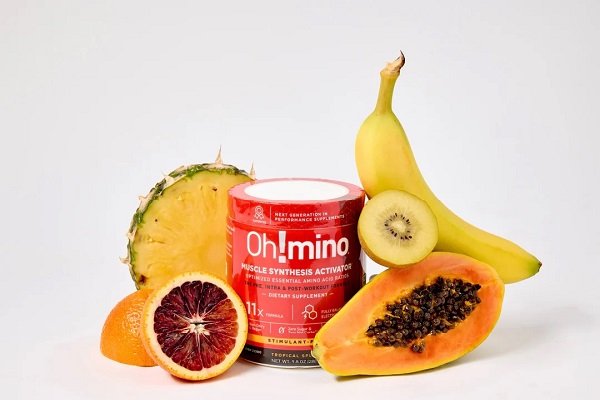
    Oh!Nutrition, a California-based nutritional product development company, has released company survey findings from more than 500 Oh!mino users taking GLP-1 medications, with 88 percent reporting maintained strength and 92 percent reporting improved recovery. The release comes as concern over GLP-1 muscle loss is reshaping how people approach weight management and nutrition during dieting. Clinical research summarized by the American Diabetes Association indicates that lean body mass can account for roughly 25 to 40 percent of total weight lost during GLP-1 therapy. Oh!mino® Muscle Synthesis Activator delivers all nine essential amino acids in a patented ratio in a single scoop and is positioned as an option for essential amino acid intake when reduced appetite makes full meals or protein shakes harder to consume. Read more about GLP-1s here.

    Lean body mass can account for roughly 25 to 40 percent of total weight lost during GLP-1 therapy, according to clinical research summarized by the American Diabetes Association. A 2025 meta-analysis in the journal Obesity, reviewing nine randomized controlled trials, found lean mass represented an average of 30.8 percent of total weight lost. While some of that lean mass reflects organ and fluid changes rather than skeletal muscle alone, the data has intensified focus on muscle loss while dieting and the role of nutrition in addressing it.

    The challenge is compounded by how these medications work. GLP-1 drugs reduce appetite, which can make reaching daily protein and essential amino acid targets harder even as the body’s need for muscle support remains. The American Diabetes Association reports that use of incretin-based therapies, including GLP-1 receptor agonists, rose 587 percent over the past five years, placing muscle preservation in front of a rapidly expanding population.

    Essential amino acids are the components the body uses to drive muscle protein synthesis, the process responsible for maintaining and rebuilding muscle tissue. Oh!mino® Muscle Synthesis Activator, developed by California-based Oh!Nutrition, delivers all nine essential amino acids in a patented ratio in a single scoop. Because the formula is zero-calorie and requires no additional food, it offers a route to essential amino acid intake that does not depend on a full meal or protein shake — a consideration for those eating less.

    “People on these medications are doing the hard work of changing their health, and the science is clear that muscle is part of that conversation. We did not build Oh!mino specifically for GLP-1 users, but it fits the exact gap they face. When appetite drops, getting essential amino acids without forcing down another shake becomes genuinely useful. It supports muscle maintenance alongside proper nutrition and training.”

    — Michael Maynard, Founder and CEO, Oh!Nutrition

    In a company survey of more than 500 Oh!mino users taking GLP-1 medications, 88 percent reported maintained strength and 92 percent reported improved recovery. These figures reflect self-reported customer experience, not the result of a clinical trial.

    Oh!mino® is vegan, non-GMO, keto-compatible, and contains no added sugar. It is manufactured in an NSF-certified, FDA-licensed facility operating under current Good Manufacturing Practices, and is available in stimulant-free and caffeinated formats. A 30-day, 110 percent money-back guarantee is included with every purchase.

    Oh!mino® Muscle Synthesis Activator is available on Oh!mino’s website.

    About Oh!mino

    Oh!Nutrition is a California-based nutritional product development company founded in 2008. With nearly 35 years of experience in dietary supplement formulation, Founder and CEO Michael Maynard established Oh!Nutrition on a commitment to evidence-based product development. Oh!mino® is the company’s flagship brand, built around a patented essential amino acid complex clinically studied for muscle protein synthesis, recovery, and performance support.