Category: News

  • AI could help detect common cardiovascular diseases from mammograms

    AI could help detect common cardiovascular diseases from mammograms

    Artificial intelligence (AI) analysis of mammograms could be used to detect different common cardiovascular diseases (CVDs), according to a study that will be presented at ESC Congress 2026.1

    Presenter, Doctor Viana Copeland from Chaim Sheba Medical Center, Tel Aviv University, Ramat Gan, Israel, explained why new detection methods are needed for CVD in women: “Despite being the leading cause of death in women worldwide, CVD is consistently underdiagnosed and undertreated. A common finding in our medical center, and around the world, is that when women do seek medical help, their CVD is already advanced. On the other hand, many women do attend routine breast cancer screening, even when they haven’t sought care for cardiovascular symptoms. We investigated whether AI could help mammography serve an additional purpose in this group – the early detection of CVD – enabling preventive strategies to be implemented.”

    This retrospective cohort study involved data from 29,921 women who underwent 97,364 mammography examinations. The cohort had a median age of 54 years. Clinical information on the presence of three common CVDs – hypertension, ischemic heart disease (also known as coronary artery disease) and stroke – was extracted from various sources including electronic medical records, medication prescriptions, and procedural and imaging findings. The prevalence was 16% for hypertension, 2.5% for ischemic heart disease and 2.5% for stroke.

    A deep learning model was trained to identify features from the mammograms of women who had hypertension, ischemic heart disease or stroke. The model’s ability to distinguish between women with and without each cardiovascular condition was evaluated using areas under the receiver operating characteristic curves (AUROC), where values range from 0.5 for random guessing to 1.0 for perfect discrimination.

    The initial model performed well, yielding AUROCs of 0.79 for hypertension, 0.78 for ischemic heart disease and 0.86 for stroke. The results were consistent when considering cancer status and age.

    Doctor Copeland noted, “Because mammography is already widely used, analyzing the same images for cardiovascular information could potentially offer a scalable approach without requiring an additional imaging examination. Mammography also reaches many women in midlife, an important period for recognizing and addressing cardiovascular risk.”

    The researchers are now working to improve the model’s accuracy and reduce both false positives and false negatives. They also plan to investigate whether mammograms could help identify other cardiovascular conditions.

    Commenting on the findings, Associate Professor Elena Arbelo, Member of the ESC Communication Committee, said: “As both a cardiologist and a woman, I find this concept compelling: a mammogram may one day do more than look for breast cancer − it may also offer a window onto cardiovascular health. That matters because CVD in women is still too often recognised late. It is great to see innovative AI studies being presented at ESC Congress 2026, aiming to address unmet needs. The challenge now is to establish accuracy and reliability − to move from experimentation to clinical implementation.”

  • Hidden hormone spikes may reveal high blood pressure condition

    Hidden hormone spikes may reveal high blood pressure condition

    A common but often overlooked cause of high blood pressure may be hiding in plain sight – and data from a pioneering wearable device could hold the key to its earlier diagnosis, according to new research.

    The study, published in the journal Science Translational Medicine, concerns a condition called primary aldosteronism – a hormone disorder which affects up to one in five people with high blood pressure and puts them at higher risk of developing heart disease, stroke, diabetes, and other major health problems.

    Researchers from the University of Bristol and the University of Manchester in the UK, the University of Bergen in Norway, and partners in Stockholm and Athens found that patients with the disorder experienced bursts of hormone production during the day as well as in the night while asleep, when routine blood testing is rarely carried out.

    Thanks to an ingenious portable device, developed at the University of Bristol, the hormone levels of patients were able to be monitored round-the-clock in their homes rather than a hospital or research unit. This means hidden irregularities could be uncovered, which may normally go undetected by current testing methods, leading to earlier detection of health conditions.

    Study co-lead author Dr Thomas Upton, Clinical Research Fellow in Automated Sampling Clinical Fellow at the University of Bristol, and Senior Clinical Fellow at Bristol Hospitals NHS Foundation Trust said: “Primary aldosteronism is an important cause of high blood pressure and the most common cause of secondary hypertension we see in our blood pressure clinic. It could be affecting millions of people in the UK. However, due to the way hormones change during the day and the current complexity of the diagnostic process, diagnosis is often delayed or never made at all.

    “In our study, patients were monitored at home during normal activity, and this allowed us to see how hormones changed over time in realistic settings. This approach could potentially revolutionise how we diagnose hypertension and ultimately reduce cardiovascular disease – particularly heart disease and strokes – that could have been prevented.”

    The proof-of-concept investigation continuously monitored hormone levels every 20 minutes in 60 patients from Bristol, Bergen, Stockholm, and Athens, over a 24-hour period. The patients all wore a lightweight device – which is the size of a mobile phone and attaches at the waist – allowing hormones to be measured from the skin, while they carried out normal daily activities, including sleeping at night.

    Called U-RHYTHM, the technology was adopted and advanced by the spinout company Dynamic Therapeutics in 2023.

    Study senior author Dr Eder Zavala, UKRI Future Leader Fellow at the University of Manchester, said: “By continuously monitoring hormones over 24 hours, we were able to reveal a previously hidden pattern of nocturnal hormone bursts. This gives us a much clearer understanding of the disease and could ultimately help doctors detect it earlier and treat patients more effectively.

    “A more detailed mathematical and computational analysis of daily hormonal profiles could eventually also help uncover earlier and more subtle forms of the disease, opening new opportunities to improve outcomes for patients living with high blood pressure.”

    Computational analysis of data from the device allowed researchers to track changes in aldosterone, the hormone responsible for regulating salt and water balance in humans, along with two closely related hormones known as 18-hydroxycortisol and 18-oxocortisol.

    Existing tests may be missing patients because the study results showed aldosterone levels do not stay high all the time. Furthermore, the researchers found that even among some of the most severe cases of the disease, there were periods when hormone levels dipped below the minimum thresholds used to diagnose the condition.

    Rather than finding persistently raised hormone levels, the researchers discovered repeated night-time bursts of hormone secretion while the day-night rhythm remained intact.

    These hormone spikes, produced by the adrenal glands, were particularly prominent in patients whose disease was caused by a problem in only one adrenal gland rather than both. The abnormal hormone patterns disappeared after surgical removal of the affected adrenal gland, providing further evidence that the bursts were directly linked to the disease.

    Study co-author Prof Stafford Lightman, Professor of Medicine at the University of Bristol and inventor of the U-RHYTHM technology, added: “The findings suggest that clinicians may need to rethink how they look for the disorder which the Endocrine Society clinical practice guidelines now recommend should be considered for all people with hypertension, also known as high blood pressure.

    “Future diagnosis could move away from single time point blood tests and towards tracking the body’s hormone rhythms over time, particularly the overnight patterns that appear to hold crucial clues to disease. Further research is needed to define the best clinical pathways, using dynamic hormone measurement, to ensure early diagnosis of this common and potentially curable cause of high blood pressure.”

    The research was funded by EU Horizon 2020, the Trond Mohn Foundation, the UKRI Biotechnology and Biological Sciences Research Council (BBSRC), Medical Research Council, University Hospitals Bristol and Weston NHS Foundation, the Swedish Medical Research Council and Knut and Alice Wallenberg Foundation.

    The findings support the University of Bristol’s research ‘Grand Challenge’ focus on Understanding and Preventing Cardiovascular Disease and builds on NIHR-funded initiatives aimed at earlier identification of people with hypertension and other cardiovascular risk factors.

    Paper

    ‘Tissue corticosteroid rhythms are dysregulated predominantly during sleep in primary aldosteronism’ by M.A. Grytaas et al. in Science Translational Medicine

  • Abbott and NACHC launch nationwide Food for Health initiative to make nutritious food a core part of healthcare

    Abbott and NACHC launch nationwide Food for Health initiative to make nutritious food a core part of healthcare

    Abbott (NYSE: ABT) and the National Association of Community Health Centers (NACHC) announced a multi-year “food is medicine” effort – called the NACHC and Abbott Food for Health Initiative – aimed at making healthy, nutritious food a core part of primary healthcare at Community Health Centers (CHCs) across the U.S.

    Studies show good nutrition is essential for health and plays a critical role in disease prevention and treatment, especially for chronic diseases like diabetes and cardiovascular disease.1 The NACHC-Abbott partnership will include a national certification program designed to help CHCs develop the systems and capacity to advance food for health, along with structured learning, training and knowledge-sharing for CHC staff to build capabilities and expertise in addressing immediate nutrition needs, integrating nutrition into healthcare delivery, and preventing and managing nutrition-related chronic diseases.

    “Since the first health center opened, Community Health Centers – the nation’s largest network of primary care providers – have led the way in addressing food insecurity and integrating nutrition into care delivery,” said Kyu Rhee, MD, MPP, President and CEO, NACHC. “Our collaboration with Abbott builds on that legacy by strengthening Community Health Centers’ capacity to prevent and manage nutrition-related conditions through evidence-based, practical solutions that are designed to improve health outcomes.”

    “We often think about healthcare as what happens in a doctor’s office, but health is also shaped by access to nutritious food and knowledge of the role of food in your health,” said Melissa Brotz, Senior Vice President, Abbott and President of Abbott Fund, the company’s philanthropic foundation. “Food for Health is about bringing those things together – and we’re excited to work with NACHC and Community Health Centers to help make nutrition a core part of how people prevent disease, manage chronic conditions and live healthier.”

    NACHC and Abbott have worked together since 2023 to advance food for health with CHCs. Building on this earlier work, in 2025 NACHC and Abbott assessed CHCs across 37 states to determine what’s working, where gaps exist and what is needed to expand food for health in health centers. This analysis found strong interest in integrating nutrition and care, but fragmented funding, training, data collection and clinical implementation remain key barriers to expanding these efforts across CHCs.

    The NACHC and Abbott Food for Health Initiative was strategically designed to help close these gaps, with a focus on providing CHCs with the support they need to address real-life barriers to nutrition and health in the communities they serve. The framework is made up of three key components:

    • Food for Health Learning Lab, a structured learning program designed to build nutrition literacy and expertise across the CHC workforce, and guide health centers in implementing and measuring food is medicine efforts.
    • Food for Health Community of Practice, a national peer-learning network that will connect health centers to share promising practices, troubleshoot challenges and learn from top experts.
    • Food for Health CORE (Certification of Readiness and Excellence), a voluntary national certification program that will recognize and support CHCs in developing the systems, processes and competencies needed to advance food for health efforts.

    The NACHC and Abbott Food for Health Initiative is a signature program of NACHC’s Center for Nutrition and Health, bringing together public and private partners, CHCs, and other stakeholders. The broader goal of the center is to serve as an innovation hub dedicated to moving food-based clinical care from separate efforts to a coordinated body of programs and policy initiatives that improve health outcomes.

    Frequently Asked Questions

    Q: What is “Food is Medicine”?
    A: Food is Medicine is an approach that recognizes the important role nutrition plays in preventing, managing and treating disease. It focuses on connecting people with nutrition support and healthy food as part of their overall healthcare.

    Q: What is chronic disease?
    A: Chronic diseases are long-term health conditions that often require ongoing care and management. Common examples include heart disease, diabetes and obesity.

    Q: Why is nutrition important to preventing chronic disease?
    A: Good nutrition is a foundation of good health and can play an important role in helping prevent and manage chronic diseases such as diabetes and heart disease. Access to nutritious food, combined with healthcare and education, can help people improve their long-term health and well-being.

    Q: How can Food is Medicine help improve health?
    A: Food is Medicine programs connect nutrition and healthcare to help people make healthier choices, manage chronic conditions and improve overall well-being. Through the NACHC and Abbott Food for Health Initiative, Community Health Centers will have additional tools and support to integrate nutrition into patient care.

    Q: What evidence supports the Food Is Medicine approach?
    A: Research suggests Food is Medicine interventions can improve health outcomes and help reduce healthcare utilization and costs.

    About the National Association of Community Health Centers
    NACHC’s mission is to champion Community Health Centers delivering affordable, effective, comprehensive primary care that is community-driven and improves health for all. For more information, visit www.nachc.org.

    About Abbott
    Abbott is a global healthcare leader that helps people live more fully at all stages of life. Our portfolio of life-changing technologies spans the spectrum of healthcare, with leading businesses and products in diagnostics, medical devices, nutritionals and branded generic medicines. Our 122,000 colleagues serve people in more than 160 countries. Together with our foundation, Abbott Fund, we partner with trusted organizations to build programs that strengthen care, improve access and help families and communities thrive. We’re committed to building a healthier future by inspiring lifelong habits that support well-being and help to prevent chronic disease for generations to come. Connect with us at Abbott.com and on LinkedIn, Facebook, Instagram, X and YouTube.

    1 The Role of Nutrition in Chronic Disease (Nutrients, 2023) https://pmc.ncbi.nlm.nih.gov/articles/PMC9921002/

    SOURCE Abbott

  • Can GLP-1s Help People Stop Insulin?

    Can GLP-1s Help People Stop Insulin?

    A new study led by Kasia Lipska, MD, MHS, associate professor of medicine (endocrinology and metabolism) at Yale School of Medicine, examined the impact of Glucagon-like Peptide-1 Receptor Agonist (GLP-1RA) therapy on rates of insulin discontinuation in people with type 2 diabetes compared with other oral medications typically prescribed to help manage blood sugar levels. The findings were published in Annals of Internal Medicine.

    While insulin therapy is an effective treatment for many individuals with type 2 diabetes, it can be burdensome to take, requiring daily injections and frequent monitoring, and can result in low blood sugar reactions. Studies have shown that GLP-1RAs can reduce daily insulin requirements, but researchers have yet to determine whether these newer medications can enable safe discontinuation of insulin in people with type 2 diabetes.

    For the study, the researchers used U.S. Department of Veterans Affairs electronic health records data to match 9,000 sets of people based on similar health traits, which they then analyzed by treatment assignment: GLP-1RA, sodium–glucose cotransporter-2 inhibitor (SGLT-2i), or dipeptidyl peptidase-4 inhibitor (DPP-4i). They then retroactively analyzed three years of records to see the rate at which those who started each type of medicine were able to stop using insulin. Insulin discontinuation was measured based on when patients stopped filling their insulin prescriptions at the VA.

    GLP-1RAs performed comparably to the other prescription medicines used to treat diabetes, researchers found. All groups discontinued insulin at a similar rate.

    The results came as a surprise, says Lipska. “I was wondering how big the effect of GLP-1RAs would be, not whether there was any effect at all.”

    Lipska has several ideas as to why the study did not show that GLP-1RA therapy increases the rates of patients stopping insulin therapy. Because the study was not a randomized clinical trial, the data was gathered from routine interactions with clinicians and patients.

    “It’s very complex,” says Lipska. “Patients often add or switch medications over time, so it becomes very difficult to disentangle,” she says.

    Lipska also noted that patients in the study did not advance to a full dose of GLP-1RAs and were using a weaker version than those currently on the market, which may have dampened the effect.

    This study points to a larger issue in diabetes care: There is no standard protocol for discontinuing insulin, Lipska says.

    “Most training for diabetes care is about starting and adjusting dose, not stopping or withdrawing,” says Lipska. She explains that when someone is achieving their target blood sugar numbers and taking incrementally smaller doses, that is usually a cue to stop. Even so, many people with type 2 diabetes remain on insulin, possibly because many clinicians are uncertain about stopping it.

    “The lesson may be that prescribing a GLP-1 receptor agonist is only the first step,” Lipska says. “If we want to help people safely come off insulin, we also need to know when and how to withdraw it. Right now, clinicians have very little guidance for doing that.”

    Other Yale authors of the study include Pradeep Mutalik, MD; Barbara Gulanski, MD, MPH; Mihaela Aslan, PhD; and Lei Yan, PhD.

    Original release: https://medicine.yale.edu/news-article/can-glp-1s-help-people-stop-insulin/

  • Yale Scientists Gain New Insight Into Genetic Architecture of Fibromyalgia

    Yale Scientists Gain New Insight Into Genetic Architecture of Fibromyalgia

    Using data from large biobanks, Yale scientists have gained new insight into the genetic architecture of fibromyalgia, a chronic disorder that affects the quality of life of around 3% of the world’s population.

    The condition, which mostly affects women, causes widespread pain, muscle stiffness, sleep problems, fatigue, depression, and anxiety. The cause of fibromyalgia is unknown, and doctors usually diagnose it based on a person’s symptoms.

    Studies show that fibromyalgia is influenced by genetics, although earlier studies used small sample sizes and revealed little about the exact genes involved in the disorder.

    Yale scientists conducted a much larger study, using data from biobanks such as All of Us, the Million Veteran Program, UK Biobank, and Finngen, to investigate the genetic architecture of fibromyalgia in subjects of European, African, and Latin American origins.

    The analysis, published July 28 in Nature Communications, included 1.7 million subjects and 85,000 fibromyalgia cases. The scientists used a method called multi-trait analysis of genome-wide association studies (GWAS), which combines information from pain GWAS to strengthen fibromyalgia analyses.

    They identified 10 independent genomic risk loci associated with fibromyalgia in European ancestry, one in African ancestry, and 12 cross-ancestry. The analysis revealed 45 independent genomic loci associated with fibromyalgia.

    Among the genetic variants they identified, several are linked to genes involved in nerve pathways, diseases, protein production, and mental health, which can help explain the complex genetics behind fibromyalgia.

    “With more than 1.7 million participants, including tens of thousands of fibromyalgia cases, this study now enables us to understand the genetic architecture of fibromyalgia better than ever,” says Uri Bright, PhD, postdoctoral associate in psychiatry, and the paper’s first author. “Understanding the genetic architecture of this complex trait can be the first step toward the development of more target-specific medical treatments, and hopefully also prevention of this syndrome.”

    Genetic correlation analyses revealed that although fibromyalgia is more prevalent in females (75% of the cases are females), its genetic architecture in both sexes is similar. The strongest genetic correlation the scientists found for fibromyalgia with a different trait was with chronic pain, and they also found a relatively high correlation with migraine.

    In a genomic structural equation modeling analysis—a method that models the shared genetic architecture among multiple complex traits—fibromyalgia shared architecture with chronic pain and migraine, as well as with endometriosis, autoimmune response, insomnia, and physical activity, but not with psychiatric traits. This suggests that fibromyalgia may be contextualized more as a pain and autoimmune trait, even though the genetic correlations with psychiatric traits such as depression, suicidality, attention-deficit/hyperactivity disorder, and post-traumatic stress disorder (PTSD) are moderate to high.

    The scientists also found moderate genetic links between fibromyalgia and opioid use disorder and cannabis use disorder, which is important because opioids are used to relieve pain and cannabis use has increased in recent years to treat fibromyalgia symptoms.

    “Having completed a powerful GWAS analysis, we were able to use those data to explore other genetic and biological characteristics of fibromyalgia,” says senior author Joel Gelernter, MD, Foundations Fund Professor of Psychiatry and professor of genetics and of neuroscience. “One of the most interesting of these outcomes was the demonstration of the close genetic relationship fibromyalgia has with PTSD and depression, a finding that adds to our understanding of how pain relates to psychiatric traits.”

    The scientists said their findings allow for a deeper understanding of fibromyalgia genomics, which in turn may help with diagnosis. Genetic correlations between fibromyalgia and physical activity, as well as with traits that are highly associated with nutrition and cardiovascular function, may support the importance of adopting a healthier lifestyle for the treatment and/or prevention of fibromyalgia, they said.

    Other Yale contributors include Sarah Beck, MD; Daniel F. Levey, PhD; and Joseph D. Deak, PhD.

  • Precision Nutrition May Enhance Effectiveness of GLP-1 Drugs

    Precision Nutrition May Enhance Effectiveness of GLP-1 Drugs

    A new review titled, “Integrating Precision Nutrition with GLP-1 Receptor Agonist Therapy: Mechanisms, Clinical Outcomes, and Pharmacoeconomic Implications,” examines the biological mechanisms of nutrition, body composition, gut microbiome, inflammation, metabolism, and genetics to develop individualized recommendations for optimal treatment with GLP-1 drugs. Due to considerable variability in patients’ responses to these drugs, treatment tolerability remains a major challenge, so researchers are seeking answers for the approximately 1 in 7 people that do not get results.

    Published in the international peer-reviewed journal Pharmaceuticals, the review was developed by a multidisciplinary team of researchers representing leading academic and healthcare institutions, including the Local Health Authority of Foggia (ASL Foggia), the University Magna Graecia of Catanzaro, the University of Siena, the Anton Dohrn Zoological Station, the Sbarro Institute for Cancer Research and Molecular Medicine and the Sbarro Health Research Organization (SHRO), located at the Center for Biotechnology, College of Science and Technology, Temple University.

    The review presents an innovative perspective on the management of obesity and type 2 diabetes mellitus, highlighting how the integration of glucagon-like peptide-1 receptor agonists like Wegovy and Ozempic, combined with precision nutrition, may represent a promising strategy to optimize therapeutic outcomes. Although GLP-1 receptor agonists have transformed the treatment of metabolic diseases through their remarkable ability to promote substantial weight loss and improve glycemic control, some patients experience unpleasant side effects and poor results.

    To find a solution for patients not getting results from GLP-1 drugs, the authors comprehensively assess how precision nutrition can serve as a fundamental adjunct to pharmacological therapy through personalized dietary interventions. By preserving lean body mass, ensuring adequate protein and micronutrient intake, favorably modulating the gut microbiota, and improving the gastrointestinal tolerability of GLP-1-based therapies, researchers theorize that patients may experience better outcomes and more effective results.

    The review also explores the growing contribution of nutrigenomics, metabolomics, multi-omics technologies, artificial intelligence, and digital health in advancing personalized metabolic medicine, highlighting their potential to support increasingly individualized therapeutic strategies.

    “Precision medicine is not limited to only finding the right drug,” says Professor Antonio Giordano, M.D., Ph.D., President of SHRO and Director of the Sbarro Institute for Cancer Research and Molecular Medicine at Temple University. “It has the potential to integrate nutritional, biological, and metabolic knowledge and develop truly personalized therapies.”

    Another key aspect addressed in the review concerns the pharmacoeconomic implications of integrating precision nutrition with pharmacological treatment. According to the authors, this combined approach may improve treatment adherence, reduce adverse events, minimize long-term clinical complications, and ultimately enhance the cost-effectiveness and sustainability of obesity and diabetes management within healthcare systems.

    “GLP-1 receptor agonists have revolutionized the treatment of obesity and diabetes,” continues Giordano. “However, their full therapeutic potential will only be realized through a multidisciplinary approach involving clinicians, nutrition specialists, researchers, and healthcare professionals.”

    The authors emphasize that prospective clinical trials should be specifically designed to evaluate the integration of precision nutrition with GLP-1 receptor agonist therapy.

    “This review represents an important step toward a new paradigm in metabolic medicine, in which pharmacology, precision nutrition, and innovative technologies such as artificial intelligence could work synergistically to improve clinical outcomes and patients’ quality of life,” concludes Giordano.

  • 7 Days of Meditation Can Rewire the Brain

    7 Days of Meditation Can Rewire the Brain

    A week of intensive meditation and other mind and body practices may be capable of producing measurable changes far beyond simple relaxation. In a recent study, researchers at the University of California San Diego found that a seven-day retreat was associated with changes in brain activity, blood chemistry, immune signaling, metabolism, and the body’s natural pain control systems.

    The researchers also found signs of increased neuroplasticity, which is the brain’s ability to adapt, reorganize, and form new connections. The findings, published in Communications Biology, offer new clues about how mental practices and conscious experiences may influence physical biology.

    Measuring the Biology of Meditation

    Meditation and related practices have been used in cultures around the world for thousands of years as tools for health and well-being. Scientists, however, are still working to understand exactly what happens inside the brain and body when people engage in these practices.

    The new research was part of a multi-million-dollar initiative supported by the InnerScience Research Fund. According to the researchers, it is the first study to comprehensively measure the biological effects of several mind and body practices delivered together during a short, intensive program.

    “We’ve known for years that practices like meditation can influence health, but what’s striking is that combining multiple mind-body practices into a single retreat produced changes across so many biological systems that we could measure directly in the brain and blood,” said senior study author Hemal H. Patel, Ph.D., professor of anesthesiology at UC San Diego School of Medicine and research career scientist at the Veterans Affairs San Diego Healthcare System. “This isn’t about just stress relief or relaxation; this is about fundamentally changing how the brain engages with reality and quantifying these changes biologically.”

    Inside the Seven-Day Retreat

    The study involved 20 healthy adults who participated in a 7-day residential program led by neuroscience educator and author Joe Dispenza, D.C. The retreat included daily lectures, approximately 33 hours of guided meditation, and group healing practices.

    Some of those healing activities relied on an “open-label placebo” approach. Unlike a traditional placebo, where participants may not know they are receiving an inactive treatment, people taking part in an open placebo know from the beginning that no active medical ingredient is involved. Researchers have studied this approach because expectations, social interaction, and the experience of participating in a treatment can sometimes produce measurable effects even when no active drug is given.

    Before and after the retreat, scientists examined participants’ brains using functional magnetic resonance imaging (fMRI). This type of scanning detects changes in blood flow associated with brain activity, allowing researchers to observe which areas and networks are more or less active.

    Blood samples were also collected so the team could examine changes involving metabolism, immune activity, molecular signaling, and other biological processes.

    Changes From the Brain to the Immune System

    The researchers reported several notable differences following the retreat.

    Brain activity became less pronounced in regions associated with internal mental chatter during meditation. The researchers interpreted this pattern as a sign of more efficient brain function.

    Evidence of increased neuroplasticity also emerged in laboratory experiments. When scientists exposed laboratory-grown neurons to blood plasma collected from participants after the retreat, the neurons developed longer branches and formed more connections. These changes are commonly associated with the ability of nerve cells to communicate and adapt.

    Metabolism changed as well. Cells exposed to plasma collected after the retreat showed increased glycolytic (sugar-burning) metabolism. Glycolysis is one of the main ways cells convert glucose into usable energy, and the researchers said the shift pointed toward a more flexible and adaptable metabolic state.

    The retreat also appeared to activate the body’s own pain control mechanisms. Blood concentrations of endogenous opioids increased after the program. Endogenous opioids are naturally produced chemicals that act on some of the same biological systems targeted by opioid pain medications, helping the body regulate pain without an external drug.

    Researchers also detected changes in immune signaling. Both inflammatory and anti-inflammatory signals increased at the same time, suggesting that the immune system was undergoing a more complicated adaptive response rather than simply becoming more or less active.

    Small RNA molecules and patterns of gene activity in the blood also changed, particularly in biological pathways associated with brain function. Small RNA molecules help control how genes are expressed and can influence the activity of cells throughout the body.

    Mystical Experiences and Brain Connectivity

    Researchers were also interested in the subjective experiences participants had while meditating.

    The volunteers completed the Mystical Experience Questionnaire (MEQ-30), which is designed to measure experiences involving feelings of unity, transcendence, and altered consciousness. Average scores increased significantly, from 2.37 before the retreat to 3.02 afterward.

    People who reported stronger mystical experiences also tended to show greater biological changes. In particular, higher questionnaire scores were associated with increased integration of activity between different regions of the brain.

    That relationship suggests that greater communication across brain networks may be associated with a stronger likelihood of experiencing profound changes in consciousness.

    Possible Implications for Health and Pain

    The findings give researchers a potential biological framework for understanding how non-drug mind and body interventions might support health and well-being.

    Increased neuroplasticity could potentially support processes involved in mental health, learning, emotional regulation, and resilience to stress. Changes in immune activity could also prove important if future research shows that these effects are reliable and clinically meaningful.

    The increase in endogenous opioids is especially interesting for pain research. Because these chemicals are part of the body’s built-in pain-regulating system, the researchers said the combination of practices used during the retreat could eventually have implications for chronic pain management.

    However, the study was conducted in healthy adults rather than patients with diagnosed medical conditions. Controlled clinical trials will therefore be necessary before researchers can determine whether the observed biological changes translate into meaningful treatment benefits.

    The team is particularly interested in studying whether similar retreats could help people living with chronic pain, mood disorders, or conditions involving the immune system.

    What Researchers Still Need to Learn

    Another major unanswered question is which parts of the retreat were responsible for the observed effects.

    Participants experienced several interventions at the same time, including meditation, reconceptualization, and open-label placebo healing. Because those elements were combined, the current study cannot establish how much each individual practice contributed.

    Future research will examine the components separately and in different combinations. Scientists also want to determine how long the biological changes last and whether repeating the interventions can strengthen or maintain them over time.

    “This study shows that our minds and bodies are deeply interconnected — what we believe, how we focus our attention, and the practices we participate in can leave measurable fingerprints on our biology,” said first author Alex Jinich-Diamant, a doctoral student in the Departments of Cognitive Science and Anesthesiology at UC San Diego. “It’s an exciting step toward understanding how conscious experience and physical health are intertwined, and how we might harness that connection to promote well-being in new ways.”

    Story Source: University of California – San Diego.

  • Women with endometriosis face 46% higher risk of type 2 diabetes, study finds

    Women with endometriosis face 46% higher risk of type 2 diabetes, study finds

    Women with endometriosis have a 46% higher risk of developing type 2 diabetes than women without the condition, according to a new study led by researchers at the George Mason College of Public Health and collaborators.

    Following data from nearly 3 million women over 25 years, the study, published in Diabetologia, is the largest to date examining the relationship between endometriosis and type 2 diabetes. Maggie Fuzak Nunziato, a George Mason doctoral student in epidemiology, led the research with Anna Pollack, professor of Global and Community Health.

    Researchers found that diabetes risk varied across different forms of endometriosis, suggesting the condition may have broader long-term health implications than previously recognized. They believe the chronic inflammation associated with endometriosis may play a role in metabolic health, though more research is needed to understand the connection.

    “Previous studies largely evaluated endometriosis as a single condition and generally reported little or no overall association with type 2 diabetes,” said Fuzak Nunziato, the study’s lead author. “Our findings add to a growing understanding that endometriosis may affect more than reproductive health alone.”

    Notably, researchers found the association was strongest among premenopausal women and women without obesity—groups not traditionally considered at the highest risk for type 2 diabetes.

    Why it matters

    Endometriosis affects about 1 in 10 women of reproductive age. It occurs when tissue similar to the uterine lining grows outside the uterus, which can often cause chronic pelvic pain, infertility, and other complications.

    If the study’s findings are confirmed by future research, they could help clinicians identify women with endometriosis who may be at higher risk for type 2 diabetes and who could benefit from earlier screening or prevention efforts.

    More study details

    The study analyzed health records from nearly 3 million women in the Utah Population Database between 1996 and 2021, including nearly 100,000 diagnosed with endometriosis.

    Researchers found that some forms of endometriosis carried a much stronger association with diabetes than others. The link was greatest among women with extra-pelvic endometriosis, meaning the disease is found outside the pelvis.

    The researchers emphasize that the findings show an association, not proof that endometriosis can cause type 2 diabetes. They say more research is needed to better understand the biological mechanisms connecting the two conditions, and whether earlier metabolic screening could improve outcomes for women with endometriosis.

    The study also included collaborators from the University of Utah, the University of Arizona, Brigham and Women’s Hospital, and Intermountain Health.

  • Essential vitamin B12 mined from exploded gut bacteria

    Essential vitamin B12 mined from exploded gut bacteria

    Vitamin B12 is biological gold.

    All living organisms need a little bit of it to form red blood cells and DNA, as well as to build and support brain and nerve cells. But it’s hard to come by: Humans don’t make it. Animals don’t make it. Plants don’t make it.

    In fact, this essential nutrient is made exclusively by certain bacteria and archaea.

    But we’ve got to have it, so we scavenge.

    Humans tap natural food sources such as meat, shellfish, fish, poultry, and dairy, as well as supplements, to get what we need.

    Scientists have a clear picture of how B12 is absorbed into the body. What is harder to understand is how and why those elite microbial B12 producers allow their precious stock to become available to the broader microbial community in the first place.

    In a paper published recently in the ISME Journal, Virginia Tech biologist Bryan Hsu and collaborators revealed the mechanism for B12 release: plundering by bacteria-eating viruses called bacteriophages, or phages.

    Phages are viruses that infect only bacteria. Although they are ecologically entrenched with bacteria, phages are harder to classify and more mysterious. Hsu, the Blackwood Junior Faculty Fellow in the College of Science, studies how phages shape the gut microbiome.

    Phages attack bacteria in a gruesome process called lysing. The virus attaches to a bacterial cell, injects its own DNA, and reprograms the host cell to manufacture more phages. When the bacterial cell eventually succumbs, it explodes into a flood of new phages. But there’s more than just new phages in the bacterial death gush.

    “It has all the DNA, the protein, sugars — all these things that the bacterial cell normally hoards so that it can continue to grow,” Hsu said.

    It also includes vitamin B12.

    In the paper, Hsu’s research team demonstrated that phage infection is a primary driver for releasing B12. David da Silva Barreira, the study’s first author and a former Virginia Tech postdoctoral associate, verified this by co-culturing a B12 producer with a B12 consumer that needs to scavenge for B12 from the environment.

    Without introducing the phage, the B12 user didn’t grow. It couldn’t get to the B12, and the nutrient remained trapped inside the intact producer cell.

    But then they unleashed the phages to lyse the producer, and the consumer began to thrive.

    “In a genetically well-defined system, we can demonstrate that phage is necessary,” said Hsu. “The B12 doesn’t just leak out.”

    To confirm that B12 specifically drove the growth boost — rather than other cellular contents — da Silva Barreira repeated the experiment with a producer strain genetically engineered to lack B12. When phages lysed the modified cell, the user failed to grow. The result proved that B12 was the essential component — a first for the field.

    To test whether the findings held up in a more complex environment, the researchers conducted similar experiments on major types of gut bacteria found in the human digestive tract. Microbes dependent on B12 grew only when a phage lysed a B12 producer.

    Taken together, these findings suggest that the brutal methods of bacteriophages play a critical role in distributing nutrients, promoting microbial diversity, and supporting microbiome gut health.

    Study collaborators include:
    Hannah Poole, an undergraduate student majoring in biological sciences
    Rogério A. Bataglioli, a postdoctoral associate in biological sciences

    Original study DOI: 10.1093/ismejo/wrag160

  • Mindfulness-Based Therapy for Opioid Misuse Offers Massive Return on Investment

    Mindfulness-Based Therapy for Opioid Misuse Offers Massive Return on Investment

    A new economic evaluation from the University of California San Diego School of Medicine has revealed that Mindfulness-Oriented Recovery Enhancement (MORE) — an innovative, evidence-based, neuroscience-informed therapy for opioid misuse and chronic pain — provides $12 in cost savings for every dollar spent, between two and six times more cost effective than other addiction treatments such as residential or intensive outpatient treatment. Over the course of a patient’s life, the analysis found that these savings came out to more than $324,000 per patient.

    Each dollar spent on a mindfulness-based opioid misuse treatment could yield $12 in economic benefit

    The results suggest that, if widely implemented, MORE could provide a potent, cost-effective solution for the opioid crisis, which currently costs the U.S. as much as $4 trillion per year in health care, criminal justice and lost productivity costs. The findings are published online in the journal Value in Health.

    “Opioid misuse is a major driver of overdose deaths, hospitalizations, homelessness and economic loss, so substantially reducing opioid misuse could have huge positive consequences for society,” said lead author Eric Garland, PhD, professor of psychiatry at UC San Diego School of Medicine and endowed professor at the Sanford Institute for Empathy and Compassion. “Our study suggests that MORE could be part of a scalable solution that improves outcomes for patients while also reducing burdens on the health care system and society at large.”

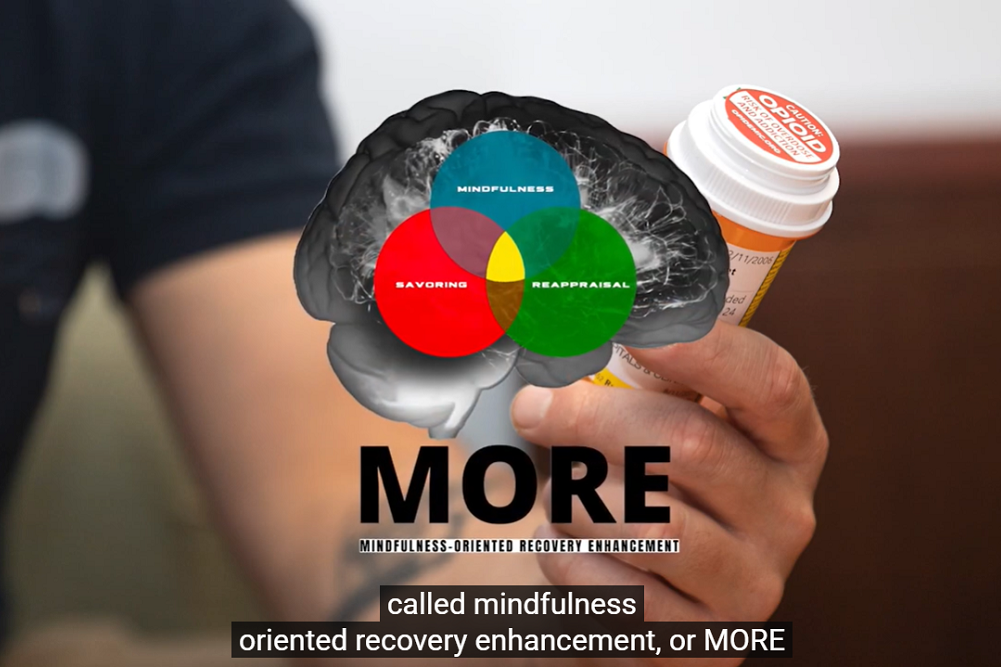
    MORE, developed by Garland, combines a unique sequence of mind-body techniques designed to address addiction, emotional distress and chronic pain at the same time. The intervention teaches mindfulness skills to regulate craving and pain, cognitive reappraisal skills to manage stress and negative emotions, and savoring techniques to help patients reconnect with naturally rewarding experiences.

    “Opioid addiction decreases the brain’s ability to experience natural healthy pleasure, driving increased cravings for the drug,” said Garland. “Our research shows that MORE helps restore this capacity in the brain, reducing cravings and preventing opioid misuse.”

    Previous publications from the MORE research team, based on a randomized clinical trial of 250 adults with chronic pain who were misusing prescribed opioids, found that the treatment reduced opioid misuse by 45% (tripling the effect of standard therapy), led to improvements in pain symptoms and opioid dosing, and strengthened the brain’s responses to positive experiences to reduce cravings. The new study, based on the trial data, sought to put this clinical success into an economic context, asking whether the treatment is cost-effective in addition to being clinically effective.

    The economic analysis found:

    • MORE had a benefit-to-cost ratio of 12-to-1, meaning the intervention was estimated to generate $12 in economic benefit for every $1 spent.
    • This is significantly greater than prior estimates for several other addiction treatment approaches, including comprehensive case management (1.8 to 1), residential treatment (between 2.0 to 1 and 4.8-to-1) and intensive outpatient treatment (5.1-to-1).
    • The lifetime cost savings per patient were $324,489.

    The researchers say the economic benefits of MORE likely stem from reductions across several major categories of harm associated with opioid misuse, including healthcare utilization, criminal justice involvement, lost productivity and overdose mortality.

    “At a relatively low cost, MORE has strong potential to reduce opioid misuse and generate substantial economic benefits for patients, health systems and society,” said Fernando Wilson, PhD, co-author on the study, professor of economics and population health sciences at the University of Utah, and director and endowed chair of the Matheson Center for Health Care Studies. “The cost of implementing MORE is small, and its potential payoff in averting misuse and risk of opioid use disorder is very large.”

    The new study builds on a broader body of evidence supporting the therapy. MORE has now been tested successfully in more than 16 randomized clinical trials involving over 2,500 participants, and has been taught to more than 1,200 clinicians in the United States and internationally. However, the researchers suggest that MORE could have an even larger impact if embedded more widely into health systems, which will require support and investment from healthcare organizations, insurers and policymakers.

    “My hope is that MORE can become a central part of the standard of care,” said Garland, “not only in addiction treatment settings, but also upstream in primary care, where we have a chance to intervene before opioid misuse progresses to more severe addiction.”

    Read the full paper: Economic Evaluation of Mindfulness-Oriented Recovery Enhancement for the Treatment of Opioid Misuse

    Watch the video: Promising Tool Against Opioid Use Disorder

    The study was funded, in part, by grants from the National Institutes of Health (R01DA058621, R01DA056537 and R01DA057631).

    Dr. Garland is Founder of the MORE Science Institute. The authors declare no other competing interests.