Category: ATHM

  • Hidden hormone spikes may reveal high blood pressure condition

    Hidden hormone spikes may reveal high blood pressure condition

    A common but often overlooked cause of high blood pressure may be hiding in plain sight – and data from a pioneering wearable device could hold the key to its earlier diagnosis, according to new research.

    The study, published in the journal Science Translational Medicine, concerns a condition called primary aldosteronism – a hormone disorder which affects up to one in five people with high blood pressure and puts them at higher risk of developing heart disease, stroke, diabetes, and other major health problems.

    Researchers from the University of Bristol and the University of Manchester in the UK, the University of Bergen in Norway, and partners in Stockholm and Athens found that patients with the disorder experienced bursts of hormone production during the day as well as in the night while asleep, when routine blood testing is rarely carried out.

    Thanks to an ingenious portable device, developed at the University of Bristol, the hormone levels of patients were able to be monitored round-the-clock in their homes rather than a hospital or research unit. This means hidden irregularities could be uncovered, which may normally go undetected by current testing methods, leading to earlier detection of health conditions.

    Study co-lead author Dr Thomas Upton, Clinical Research Fellow in Automated Sampling Clinical Fellow at the University of Bristol, and Senior Clinical Fellow at Bristol Hospitals NHS Foundation Trust said: “Primary aldosteronism is an important cause of high blood pressure and the most common cause of secondary hypertension we see in our blood pressure clinic. It could be affecting millions of people in the UK. However, due to the way hormones change during the day and the current complexity of the diagnostic process, diagnosis is often delayed or never made at all.

    “In our study, patients were monitored at home during normal activity, and this allowed us to see how hormones changed over time in realistic settings. This approach could potentially revolutionise how we diagnose hypertension and ultimately reduce cardiovascular disease – particularly heart disease and strokes – that could have been prevented.”

    The proof-of-concept investigation continuously monitored hormone levels every 20 minutes in 60 patients from Bristol, Bergen, Stockholm, and Athens, over a 24-hour period. The patients all wore a lightweight device – which is the size of a mobile phone and attaches at the waist – allowing hormones to be measured from the skin, while they carried out normal daily activities, including sleeping at night.

    Called U-RHYTHM, the technology was adopted and advanced by the spinout company Dynamic Therapeutics in 2023.

    Study senior author Dr Eder Zavala, UKRI Future Leader Fellow at the University of Manchester, said: “By continuously monitoring hormones over 24 hours, we were able to reveal a previously hidden pattern of nocturnal hormone bursts. This gives us a much clearer understanding of the disease and could ultimately help doctors detect it earlier and treat patients more effectively.

    “A more detailed mathematical and computational analysis of daily hormonal profiles could eventually also help uncover earlier and more subtle forms of the disease, opening new opportunities to improve outcomes for patients living with high blood pressure.”

    Computational analysis of data from the device allowed researchers to track changes in aldosterone, the hormone responsible for regulating salt and water balance in humans, along with two closely related hormones known as 18-hydroxycortisol and 18-oxocortisol.

    Existing tests may be missing patients because the study results showed aldosterone levels do not stay high all the time. Furthermore, the researchers found that even among some of the most severe cases of the disease, there were periods when hormone levels dipped below the minimum thresholds used to diagnose the condition.

    Rather than finding persistently raised hormone levels, the researchers discovered repeated night-time bursts of hormone secretion while the day-night rhythm remained intact.

    These hormone spikes, produced by the adrenal glands, were particularly prominent in patients whose disease was caused by a problem in only one adrenal gland rather than both. The abnormal hormone patterns disappeared after surgical removal of the affected adrenal gland, providing further evidence that the bursts were directly linked to the disease.

    Study co-author Prof Stafford Lightman, Professor of Medicine at the University of Bristol and inventor of the U-RHYTHM technology, added: “The findings suggest that clinicians may need to rethink how they look for the disorder which the Endocrine Society clinical practice guidelines now recommend should be considered for all people with hypertension, also known as high blood pressure.

    “Future diagnosis could move away from single time point blood tests and towards tracking the body’s hormone rhythms over time, particularly the overnight patterns that appear to hold crucial clues to disease. Further research is needed to define the best clinical pathways, using dynamic hormone measurement, to ensure early diagnosis of this common and potentially curable cause of high blood pressure.”

    The research was funded by EU Horizon 2020, the Trond Mohn Foundation, the UKRI Biotechnology and Biological Sciences Research Council (BBSRC), Medical Research Council, University Hospitals Bristol and Weston NHS Foundation, the Swedish Medical Research Council and Knut and Alice Wallenberg Foundation.

    The findings support the University of Bristol’s research ‘Grand Challenge’ focus on Understanding and Preventing Cardiovascular Disease and builds on NIHR-funded initiatives aimed at earlier identification of people with hypertension and other cardiovascular risk factors.

    Paper

    ‘Tissue corticosteroid rhythms are dysregulated predominantly during sleep in primary aldosteronism’ by M.A. Grytaas et al. in Science Translational Medicine

  • Abbott and NACHC launch nationwide Food for Health initiative to make nutritious food a core part of healthcare

    Abbott and NACHC launch nationwide Food for Health initiative to make nutritious food a core part of healthcare

    Abbott (NYSE: ABT) and the National Association of Community Health Centers (NACHC) announced a multi-year “food is medicine” effort – called the NACHC and Abbott Food for Health Initiative – aimed at making healthy, nutritious food a core part of primary healthcare at Community Health Centers (CHCs) across the U.S.

    Studies show good nutrition is essential for health and plays a critical role in disease prevention and treatment, especially for chronic diseases like diabetes and cardiovascular disease.1 The NACHC-Abbott partnership will include a national certification program designed to help CHCs develop the systems and capacity to advance food for health, along with structured learning, training and knowledge-sharing for CHC staff to build capabilities and expertise in addressing immediate nutrition needs, integrating nutrition into healthcare delivery, and preventing and managing nutrition-related chronic diseases.

    “Since the first health center opened, Community Health Centers – the nation’s largest network of primary care providers – have led the way in addressing food insecurity and integrating nutrition into care delivery,” said Kyu Rhee, MD, MPP, President and CEO, NACHC. “Our collaboration with Abbott builds on that legacy by strengthening Community Health Centers’ capacity to prevent and manage nutrition-related conditions through evidence-based, practical solutions that are designed to improve health outcomes.”

    “We often think about healthcare as what happens in a doctor’s office, but health is also shaped by access to nutritious food and knowledge of the role of food in your health,” said Melissa Brotz, Senior Vice President, Abbott and President of Abbott Fund, the company’s philanthropic foundation. “Food for Health is about bringing those things together – and we’re excited to work with NACHC and Community Health Centers to help make nutrition a core part of how people prevent disease, manage chronic conditions and live healthier.”

    NACHC and Abbott have worked together since 2023 to advance food for health with CHCs. Building on this earlier work, in 2025 NACHC and Abbott assessed CHCs across 37 states to determine what’s working, where gaps exist and what is needed to expand food for health in health centers. This analysis found strong interest in integrating nutrition and care, but fragmented funding, training, data collection and clinical implementation remain key barriers to expanding these efforts across CHCs.

    The NACHC and Abbott Food for Health Initiative was strategically designed to help close these gaps, with a focus on providing CHCs with the support they need to address real-life barriers to nutrition and health in the communities they serve. The framework is made up of three key components:

    • Food for Health Learning Lab, a structured learning program designed to build nutrition literacy and expertise across the CHC workforce, and guide health centers in implementing and measuring food is medicine efforts.
    • Food for Health Community of Practice, a national peer-learning network that will connect health centers to share promising practices, troubleshoot challenges and learn from top experts.
    • Food for Health CORE (Certification of Readiness and Excellence), a voluntary national certification program that will recognize and support CHCs in developing the systems, processes and competencies needed to advance food for health efforts.

    The NACHC and Abbott Food for Health Initiative is a signature program of NACHC’s Center for Nutrition and Health, bringing together public and private partners, CHCs, and other stakeholders. The broader goal of the center is to serve as an innovation hub dedicated to moving food-based clinical care from separate efforts to a coordinated body of programs and policy initiatives that improve health outcomes.

    Frequently Asked Questions

    Q: What is “Food is Medicine”?
    A: Food is Medicine is an approach that recognizes the important role nutrition plays in preventing, managing and treating disease. It focuses on connecting people with nutrition support and healthy food as part of their overall healthcare.

    Q: What is chronic disease?
    A: Chronic diseases are long-term health conditions that often require ongoing care and management. Common examples include heart disease, diabetes and obesity.

    Q: Why is nutrition important to preventing chronic disease?
    A: Good nutrition is a foundation of good health and can play an important role in helping prevent and manage chronic diseases such as diabetes and heart disease. Access to nutritious food, combined with healthcare and education, can help people improve their long-term health and well-being.

    Q: How can Food is Medicine help improve health?
    A: Food is Medicine programs connect nutrition and healthcare to help people make healthier choices, manage chronic conditions and improve overall well-being. Through the NACHC and Abbott Food for Health Initiative, Community Health Centers will have additional tools and support to integrate nutrition into patient care.

    Q: What evidence supports the Food Is Medicine approach?
    A: Research suggests Food is Medicine interventions can improve health outcomes and help reduce healthcare utilization and costs.

    About the National Association of Community Health Centers
    NACHC’s mission is to champion Community Health Centers delivering affordable, effective, comprehensive primary care that is community-driven and improves health for all. For more information, visit www.nachc.org.

    About Abbott
    Abbott is a global healthcare leader that helps people live more fully at all stages of life. Our portfolio of life-changing technologies spans the spectrum of healthcare, with leading businesses and products in diagnostics, medical devices, nutritionals and branded generic medicines. Our 122,000 colleagues serve people in more than 160 countries. Together with our foundation, Abbott Fund, we partner with trusted organizations to build programs that strengthen care, improve access and help families and communities thrive. We’re committed to building a healthier future by inspiring lifelong habits that support well-being and help to prevent chronic disease for generations to come. Connect with us at Abbott.com and on LinkedIn, Facebook, Instagram, X and YouTube.

    1 The Role of Nutrition in Chronic Disease (Nutrients, 2023) https://pmc.ncbi.nlm.nih.gov/articles/PMC9921002/

    SOURCE Abbott

  • Can GLP-1s Help People Stop Insulin?

    Can GLP-1s Help People Stop Insulin?

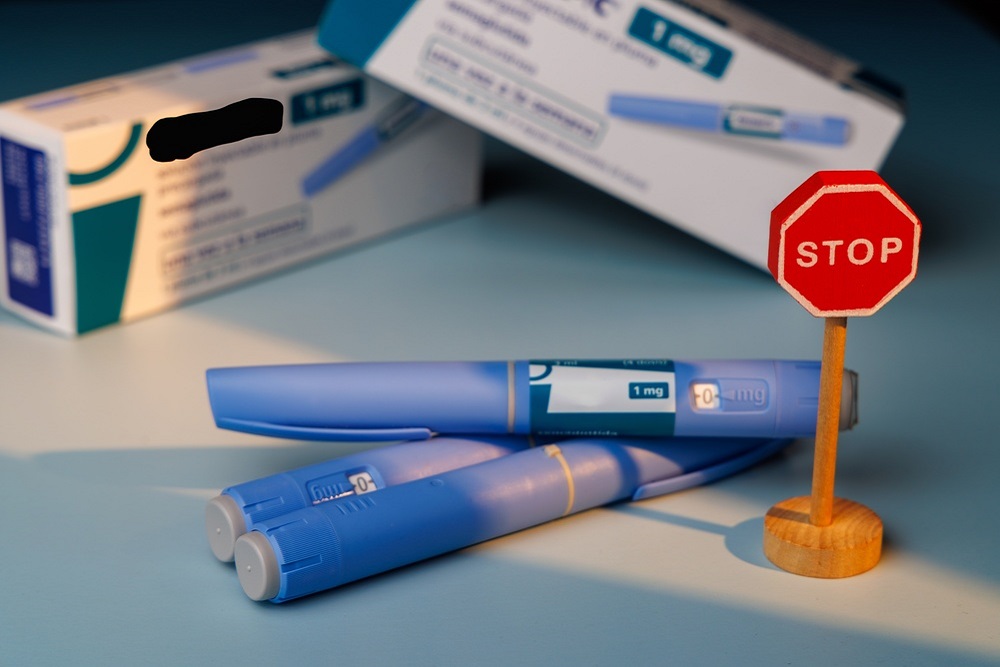
    A new study led by Kasia Lipska, MD, MHS, associate professor of medicine (endocrinology and metabolism) at Yale School of Medicine, examined the impact of Glucagon-like Peptide-1 Receptor Agonist (GLP-1RA) therapy on rates of insulin discontinuation in people with type 2 diabetes compared with other oral medications typically prescribed to help manage blood sugar levels. The findings were published in Annals of Internal Medicine.

    While insulin therapy is an effective treatment for many individuals with type 2 diabetes, it can be burdensome to take, requiring daily injections and frequent monitoring, and can result in low blood sugar reactions. Studies have shown that GLP-1RAs can reduce daily insulin requirements, but researchers have yet to determine whether these newer medications can enable safe discontinuation of insulin in people with type 2 diabetes.

    For the study, the researchers used U.S. Department of Veterans Affairs electronic health records data to match 9,000 sets of people based on similar health traits, which they then analyzed by treatment assignment: GLP-1RA, sodium–glucose cotransporter-2 inhibitor (SGLT-2i), or dipeptidyl peptidase-4 inhibitor (DPP-4i). They then retroactively analyzed three years of records to see the rate at which those who started each type of medicine were able to stop using insulin. Insulin discontinuation was measured based on when patients stopped filling their insulin prescriptions at the VA.

    GLP-1RAs performed comparably to the other prescription medicines used to treat diabetes, researchers found. All groups discontinued insulin at a similar rate.

    The results came as a surprise, says Lipska. “I was wondering how big the effect of GLP-1RAs would be, not whether there was any effect at all.”

    Lipska has several ideas as to why the study did not show that GLP-1RA therapy increases the rates of patients stopping insulin therapy. Because the study was not a randomized clinical trial, the data was gathered from routine interactions with clinicians and patients.

    “It’s very complex,” says Lipska. “Patients often add or switch medications over time, so it becomes very difficult to disentangle,” she says.

    Lipska also noted that patients in the study did not advance to a full dose of GLP-1RAs and were using a weaker version than those currently on the market, which may have dampened the effect.

    This study points to a larger issue in diabetes care: There is no standard protocol for discontinuing insulin, Lipska says.

    “Most training for diabetes care is about starting and adjusting dose, not stopping or withdrawing,” says Lipska. She explains that when someone is achieving their target blood sugar numbers and taking incrementally smaller doses, that is usually a cue to stop. Even so, many people with type 2 diabetes remain on insulin, possibly because many clinicians are uncertain about stopping it.

    “The lesson may be that prescribing a GLP-1 receptor agonist is only the first step,” Lipska says. “If we want to help people safely come off insulin, we also need to know when and how to withdraw it. Right now, clinicians have very little guidance for doing that.”

    Other Yale authors of the study include Pradeep Mutalik, MD; Barbara Gulanski, MD, MPH; Mihaela Aslan, PhD; and Lei Yan, PhD.

    Original release: https://medicine.yale.edu/news-article/can-glp-1s-help-people-stop-insulin/

  • For veterans with severe PTSD, psilocybin-assisted therapy may help

    For veterans with severe PTSD, psilocybin-assisted therapy may help

    The first U.S. clinical trial of psilocybin-assisted therapy in veterans with PTSD who got no relief from conventional treatments has established that the protocol is safe, causing no serious adverse events or increases in suicidal thinking or behavior.

    But the preliminary clinical results exceeded researchers’ expectations: In the pilot trial with 12 veterans, 75% of participants were in remission one month after the study’s end. Their symptoms no longer met the criteria for post-traumatic stress disorder.

    “For a population with severe treatment-resistant PTSD, these results are striking,” said Stacey Armstrong, first author of the new study, published today (July 30, 2026) in Communications Medicine.

    “While treatments do work for some veterans with PTSD, they’re falling short for many, leaving veterans to continue to search for solutions, which can lead to treatment dropout, long-term disability and elevated suicide risk,” said Armstrong, senior researcher and associate director of the Center for Psychedelic Drug Research and Education (CPDRE) in The Ohio State University College of Social Work.

    “It’s this unmet need that inspires us.”

    The 11-week trial period combined eight hours of psychotherapy followed by two doses, 15 milligrams and 25 milligrams, of synthetic psilocybin, the active ingredient in magic mushrooms. Six to eight more hours of integrative therapy followed the drug treatment.

    From baseline to one month after treatment was finished, there was an overall average drop of 27.5 points in clinician-rated PTSD symptoms among the group. Nine participants had a clinical response to treatment and were in remission. No severe adverse events occurred, with the most common side effect being a mild headache after taking psilocybin. Suicidal ideation scores did not significantly change from baseline to one month post-treatment.

    Future papers from this study will assess the treatment’s effectiveness up to six months after the trial, as well as biological changes and effects on other PTSD-related problems like sleep disorders and substance use, said Alan Davis, senior author of the study, director of the CPDRE and associate professor of social work at Ohio State.

    Anecdotal observations, and previous research showing that depression remission endured for five years after an earlier psilocybin trial that Davis co-led, suggest the combined therapies could have staying power for many people whose symptoms are not eased by traditional therapies.

    “It’s been an incredible honor to work with veterans in this study, many of whom have been suffering with PTSD for decades or longer,” said Davis, who also holds faculty appointments in psychology and internal medicine at Ohio State.

    “Some experiences we’ve seen in actual treatment sessions are extremely profound and meaningful. The ability for them to go back and to revisit really difficult events that happened to them and to find a new way of understanding them and a new way of moving forward in their life has really been exciting.”

    One participant’s experience
    To be eligible for the trial, veterans had to have severe PTSD that was considered treatment-resistant. The need for help in this population became quite evident as participant recruitment began: Over 3,600 applicants reached out to partake in online prescreening and 668 were assessed for eligibility. Though the initial goal was 15 participants, the final number was 12 – nine men and three women.

    Zachariah Collett, a U.S. Army veteran from Washington Court House, Ohio, considers himself one of the lucky ones who was selected to participate.

    Collett joined the Army in 2002 as an enlisted soldier and later became a military police corps paratrooper, serving a 28-month combat tour in Iraq. By age 25 he was medically retired. Among the diagnoses and service-connected disabilities that led to retirement was post-traumatic stress disorder.

    His symptoms included nightmares, a short temper, feeling constantly on guard and being angry virtually all the time – leading to behavior that had a negative effect on his family.

    “I was just absolutely tortured by the internal struggle, the internal dialogue, the noise inside my head and the inability even to just be still,” Collett said. Years of trying counseling and medications didn’t help.

    It was an intensive 41-day self-discovery experience combining a healthful diet with a series of integrative therapies that first put Collett on the path to healing. When he later learned about the psilocybin trial, he saw it as the perfect opportunity – and medicine – to take a “deeper dive.”

    Now three years out from the treatment, he said the psilocybin-assisted therapy had a profound effect on him, his family and his marriage.

    “For the first six months to a year, I felt like I had this fantastic set of training wheels while I’m relearning the way to act in situations,” he said. “That’s the great thing about this medicine. It’s gentle and it allowed me the space to rediscover, or discover, things I didn’t know I was capable of doing.

    “It allowed me the opportunity to create peace, and stillness, and acceptance, and forgiveness and grace – all those things opposite of resentment and anger and hatred. It’s rather beautiful.”

    Where the magic happens
    A rigorous psychotherapy schedule is a key part of the process, with evidence from the trial suggesting that PTSD symptoms were lowered even before the drug was administered.

    “There is this big question in the psychedelic therapy field right now about how much of this is a drug effect, how much of this is a therapy effect, and how much is a combination of the two,” Davis said.

    This study, the first to try to answer the question, found a drop in PTSD symptoms from baseline to the end of preparation therapy, with a much larger reduction after the psilocybin doses.

    “This treatment is more than just a drug,” Davis said. “The drug itself is a catalyst for the deep work that opens a window for people to perhaps access things they wouldn’t be able to access emotionally otherwise, and what that does is catalyze the therapeutic process after.

    “That’s where the magic actually happens. It happens in the therapy, and in the changes that people start to make in their lives after the treatment’s concluded.”

    The research team acknowledges that pilot studies with no control group tend to produce larger effect sizes than standard clinical trials. They hope to secure funding to follow up with a larger randomized, controlled clinical trial.

    “Recognizing the tools that we have don’t work so well and recognizing the significant burden of PTSD in the United States carried by our servicemen and women and veterans, this seemed like the right direction to go,” Armstrong said. “Too many veterans right now are suffering despite the treatments that we have, and that’s why we feel that this research is important.”

    Davis, who has been studying psychedelics as a component of mental health treatment for the past 16 years, said, “This is a very exciting time for psychedelic-assisted therapy research. These treatments are generally safe, well tolerated and showing a strong signal of efficacy.”

    This research was supported by Ohio State’s College of Social Work, The Center for Psychedelic Drug Research and Education, the Clinical Research Center/Center for Clinical Research Management of The Ohio State University Wexner Medical Center and Ohio State’s College of Medicine.

    Additional co-authors were Adam Levin, Nathan Sepeda, Hillary Shaub, Taweh Hunter, Angela Douglas and Rafaelle Lancelotta, all of Ohio State.